Focus Care
Technology that stays fixed.
Focus Care is our support program — the reason our clients' rooms still feel new years after handover. Preventative maintenance, priority response, one number.
What Focus Care actually is
A plan for rooms that just work.
Focus Care is a support program, not an insurance policy you hope to never use. It's scheduled preventative visits that catch failing hardware before the board meeting does, monitoring that flags a dead screen before reception notices, and a priority queue when something truly breaks.
It exists because reactive-only support has a maths problem: the cheapest time to fix a room is before it fails, and the most expensive time is 8:55 on Monday morning with the executive team standing in the doorway.
Plans scale from a handful of rooms to national fleets — one number to call, one team accountable, budgets that behave.
Anatomy of a Focus Care plan
Four habits, zero surprises.
Auto-cycles every two seconds. Tap a part to jump to it.
 The whole room
 Why a program
Support shouldn't be an emergency service.
Reactive-only AV support means every fault is a fire drill: discover the failure five minutes before the meeting, hunt for a number, hope someone answers. The technology gets a reputation, then rooms stop being used.
Focus Care flips the model: scheduled preventative visits catch the ageing battery, the drifting camera and the firmware bug before they become the failure; monitoring flags trouble early; and when something does break, your call already knows the room's history.
It also makes budgets honest — a known annual figure and a lifecycle roadmap instead of surprise capital requests.
Inside the plan
What a managed plan does all year.
A managed AV support plan means your rooms are looked after on a schedule, not on a scream: preventative visits, controlled updates, monitoring, reporting and training — running quietly in the background, all year. Here's the rhythm a Focus Care fleet actually runs on.
Scheduled preventative visits
Every room gets a booked health check on a rhythm matched to its importance — quarterly for critical spaces, less often for the quiet ones. Faults found on the day are fixed on the spot where possible, or booked before they bite.
Controlled firmware windows
Teams Rooms, video bars and displays update constantly, and unmanaged updates are where rooms quietly break. We apply firmware in controlled windows, test the room afterwards, and roll back when a release misbehaves.
Monitoring, all year
Where the fleet justifies it, devices report their own health around the clock. A screen that dies overnight raises a flag with us before your reception staff walk past it — often fixed remotely before anyone knew.
Reporting you can read
Every visit and fault is logged per room, and you see it: what was found, what was done, what's trending. Response performance is reported against the targets in your plan — we mark our own homework in public.
Training refreshers
New starters arrive, habits drift, features ship. Short scheduled refreshers keep the rooms used with confidence — which matters, because a good share of reported faults are really training gaps.
The annual lifecycle review
Once a year, a plain-English roadmap: what's healthy, what's ageing, what to budget and when. Replacement becomes a planned line item instead of an emergency capital request the week after a failure.
None of this generates drama, which is the point. A Focus Care year done well is a stack of quiet reports, a handful of faults that died on the first phone call, and rooms that nobody thinks about — because the best review a meeting room ever gets is silence.
The visit, itemised
What a preventative visit actually includes.
A preventative visit is a structured, room-by-room health check — not a technician wandering through with a clipboard. Every room on the plan gets the same checklist, and every visit ends with a written record of what was found and what was done.
- A real test call placed from the room — audio, video and screen sharing verified in both directions
- Displays checked for image quality, backlight wear, dead pixels and correct input mapping
- Cameras checked for focus, framing presets and auto-tracking behaviour
- Microphones and speakers verified against the room's original commissioning levels
- Echo cancellation and audio processing re-verified after any update
- Firmware reviewed and applied in a controlled window, then the room re-tested
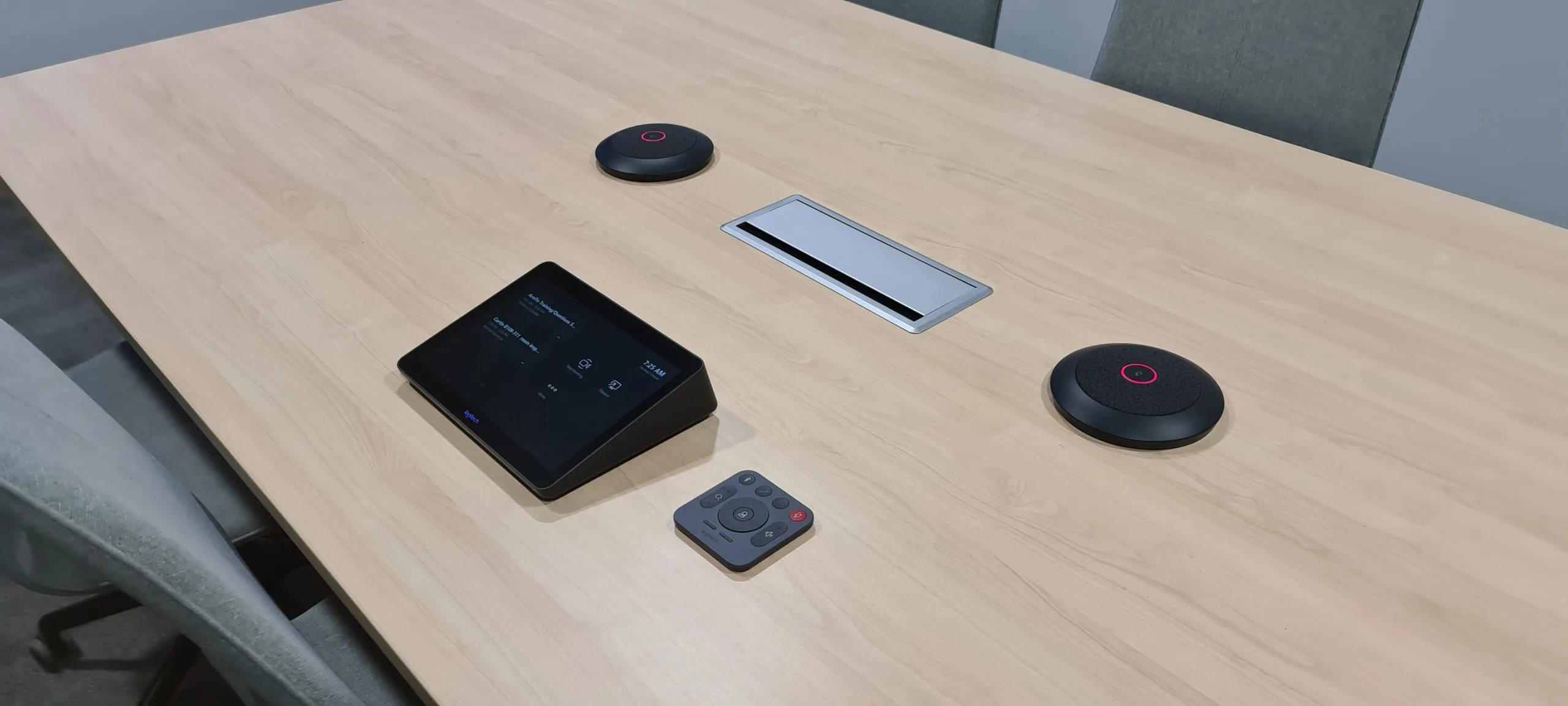
- The control panel walked end to end — every button doing what it says
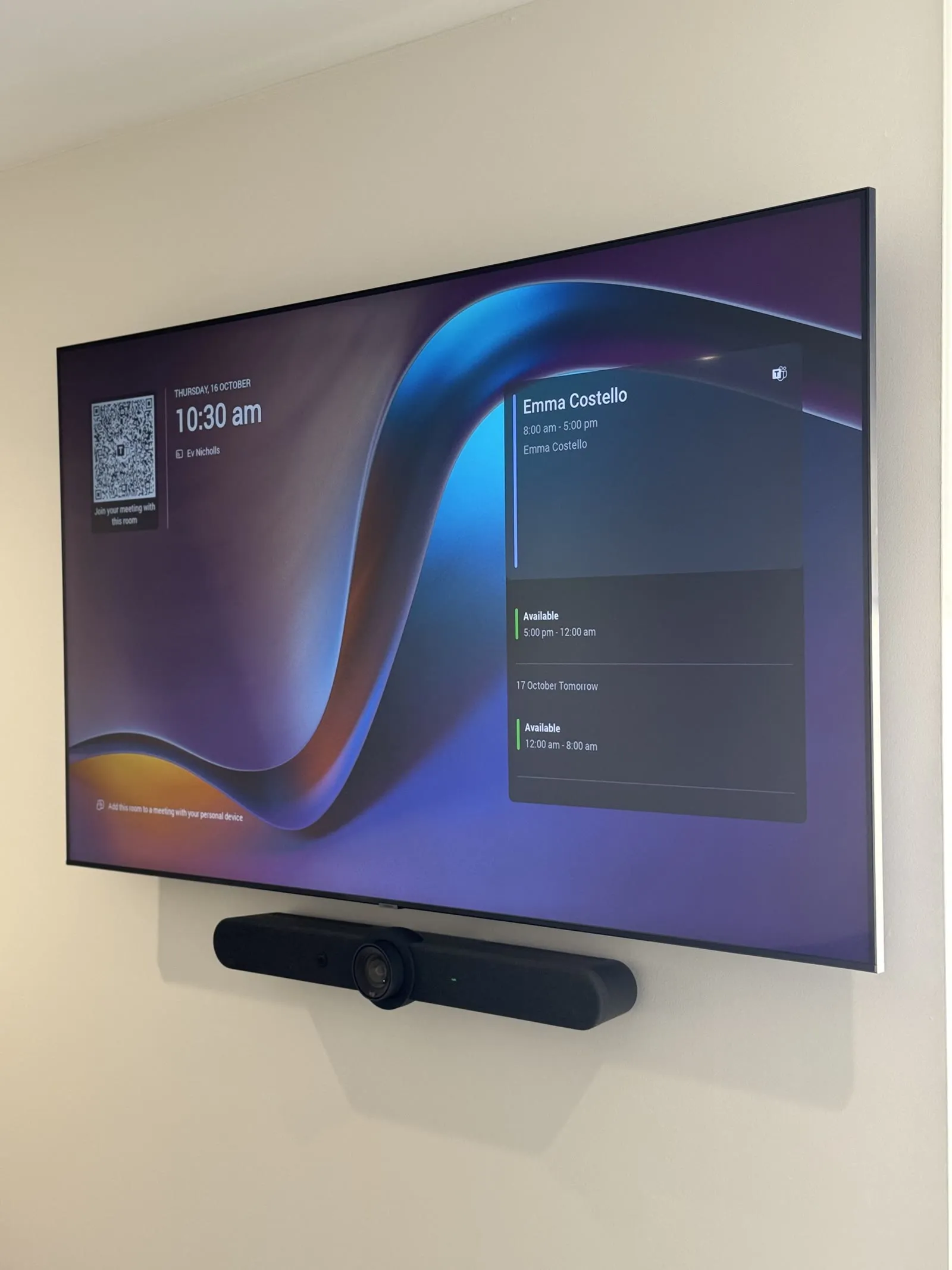
- Room booking panel and calendar integration verified
- Batteries, filters and consumables replaced before they fail
- Physical once-over: connectors seated, mounts secure, wear and tear noted
- Anything found is fixed on the spot where possible, or booked with you in writing
- The visit logged room by room — your report shows what was found and what was done
The point of the checklist isn't ceremony — it's that small drifts get corrected while they're still free. A camera preset nudged back, a battery swapped early, a firmware release held back a week: none of it makes a story, which is exactly the outcome you're paying for.
An honest filter
Who needs a plan — and who doesn't.
You need a plan if you run a fleet of rooms, or one room the business genuinely depends on. You don't need one if you have a single simple space where downtime is an inconvenience rather than a cost. We'll tell you which you are, even when the answer earns us less.
A plan makes sense if…
- You run a fleet — five, twenty or two hundred rooms across one site or many
- One room is genuinely business-critical: the boardroom, the operations room, the chamber
- Downtime has a real cost — cancelled meetings, idle specialists, a bruised reputation
- Nobody in-house owns AV: IT is busy, and facilities didn't sign up for audio processing
- You'd rather one known annual figure than surprise invoices after every failure
Ad-hoc support is enough if…
- You have one simple room, lightly used, with a workable space next door
- Downtime is an inconvenience rather than a cost
- The kit is young, standard and still fully under warranty
- You're comfortable joining the queue behind plan clients when something breaks
If that's you, our reactive AV support covers it — same team, same honesty, standard hourly rates, and no one will pressure you onto a plan you don't need.
The best support call is the one that never happens.
You notice outages. We notice trends — the display running hot, the firmware falling behind, the battery that will die in a fortnight. Focus Care exists to catch the second list before it becomes the first.
- 01 · Watch
Room health monitored remotely — faults and drift surface to us before they surface in your meetings.
- 02 · Visit
Scheduled preventative visits that test rooms the way users use them — live calls, not signal checks.
- 03 · Report
A plain-English health report per cycle — what we fixed, what's ageing, what to budget before it decides for you.
Pricing, framed honestly
How Focus Care pricing scales.
Focus Care is priced per room and per site, from three inputs: how many rooms, how complex they are, and what downtime costs you. The per-room rate falls as fleets grow, because one scheduled visit covers many rooms. Everything below is indicative framing — the real number comes after we've seen the fleet.
A single boardroom
Plans start smaller than most people expect. One well-used boardroom is priced per room per year, and typically lands in the territory of a couple of ad-hoc call-outs — except it includes the visits that stop the call-outs happening. Indicative only until we've seen the room.
An office of rooms
This is where per-room pricing works hardest: one scheduled visit covers many rooms, so the per-room rate steps down as the count goes up. A floor of meeting rooms usually costs far less per room than the boardroom-only plan.
Multi-site & campus fleets
Priced per site with monitoring doing the heavy lifting between visits. Travel is planned into scheduled runs rather than billed per panic, and regional sites are designed to be diagnosed from Perth first. One agreement, one report, one number.
What moves the per-room rate is complexity, not size: a video bar and a screen is a quick health check, while a divisible training room with ceiling microphones, multiple cameras and audio processing takes real time to verify properly. Criticality moves it too — a room with same-day response targets and spares held on the shelf carries more plan than one that can wait until Thursday.
Two things stay true at every scale: you'll always know the annual figure before you sign, and the quote will always itemise what it buys. If a room doesn't justify plan coverage, we'll say so and leave it on ad-hoc support instead.
Kept working, year after year.
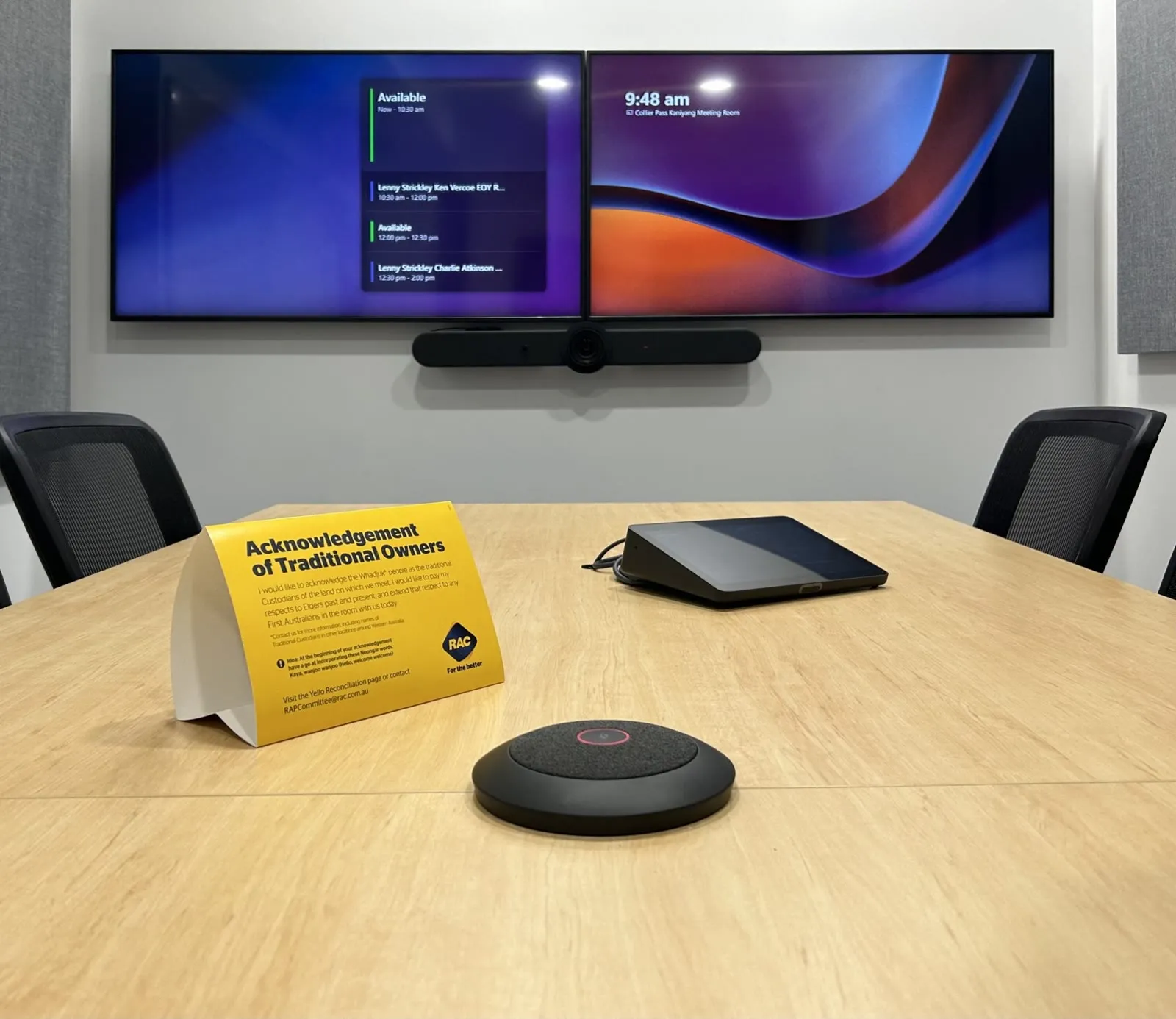

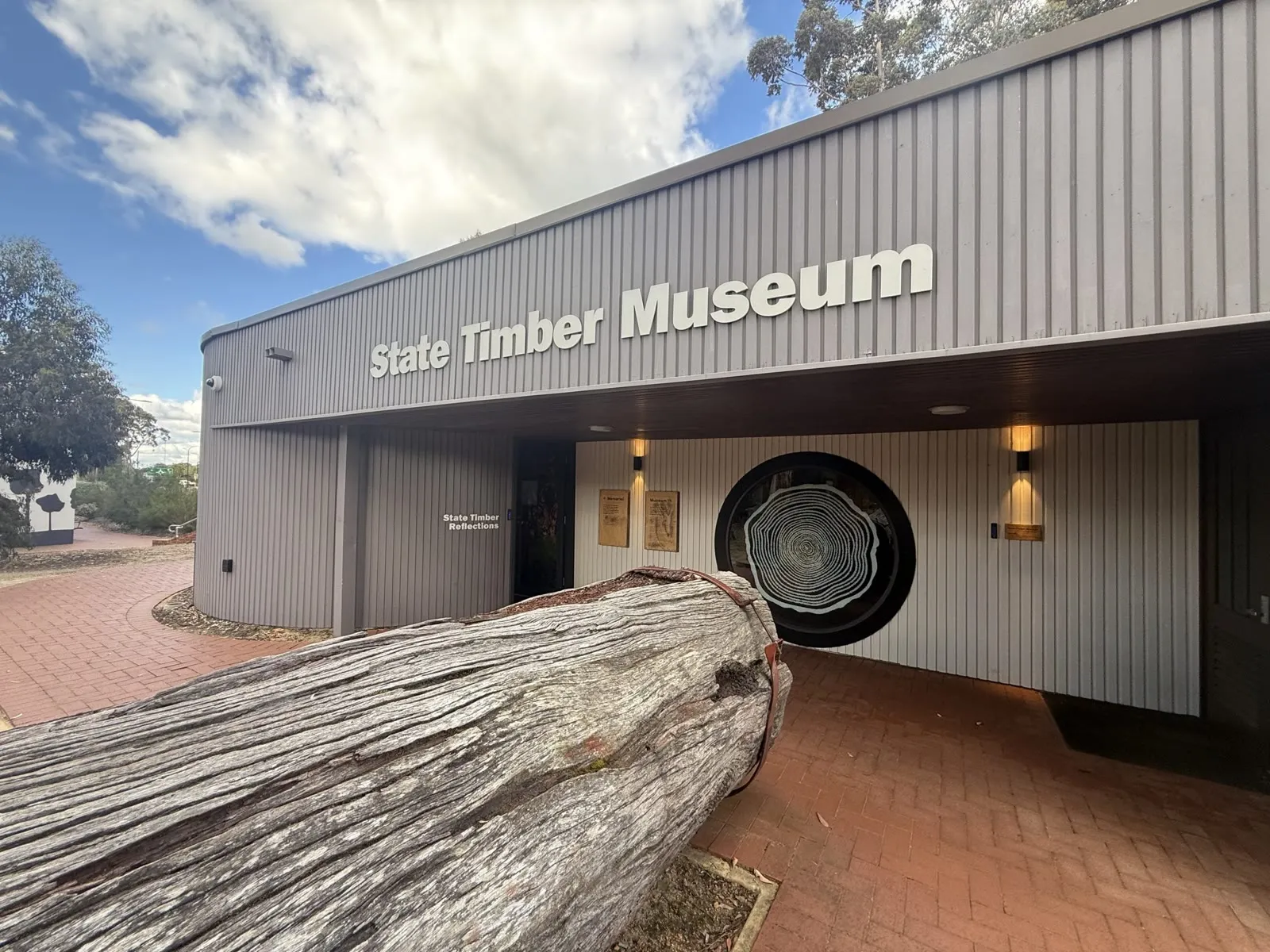
What we deliver
What Focus Care covers.
Preventative maintenance visits
Scheduled room health checks: firmware, connections, image and audio verification, test calls, consumables.
Priority response
Published response targets by severity — boardroom-down gets boardroom-down urgency.
Remote & phone support
Many faults die on the first call — we resolve remotely wherever the system allows.
Monitoring & alerts
Where fleets justify it, device monitoring flags failures before your staff do.
Training refreshers
New starters and rusty regulars — sessions that keep rooms used with confidence.
Lifecycle roadmaps
An annual, plain-English report: what's healthy, what's ageing, what to budget — no surprises.
Proof
Delivered. Documented.
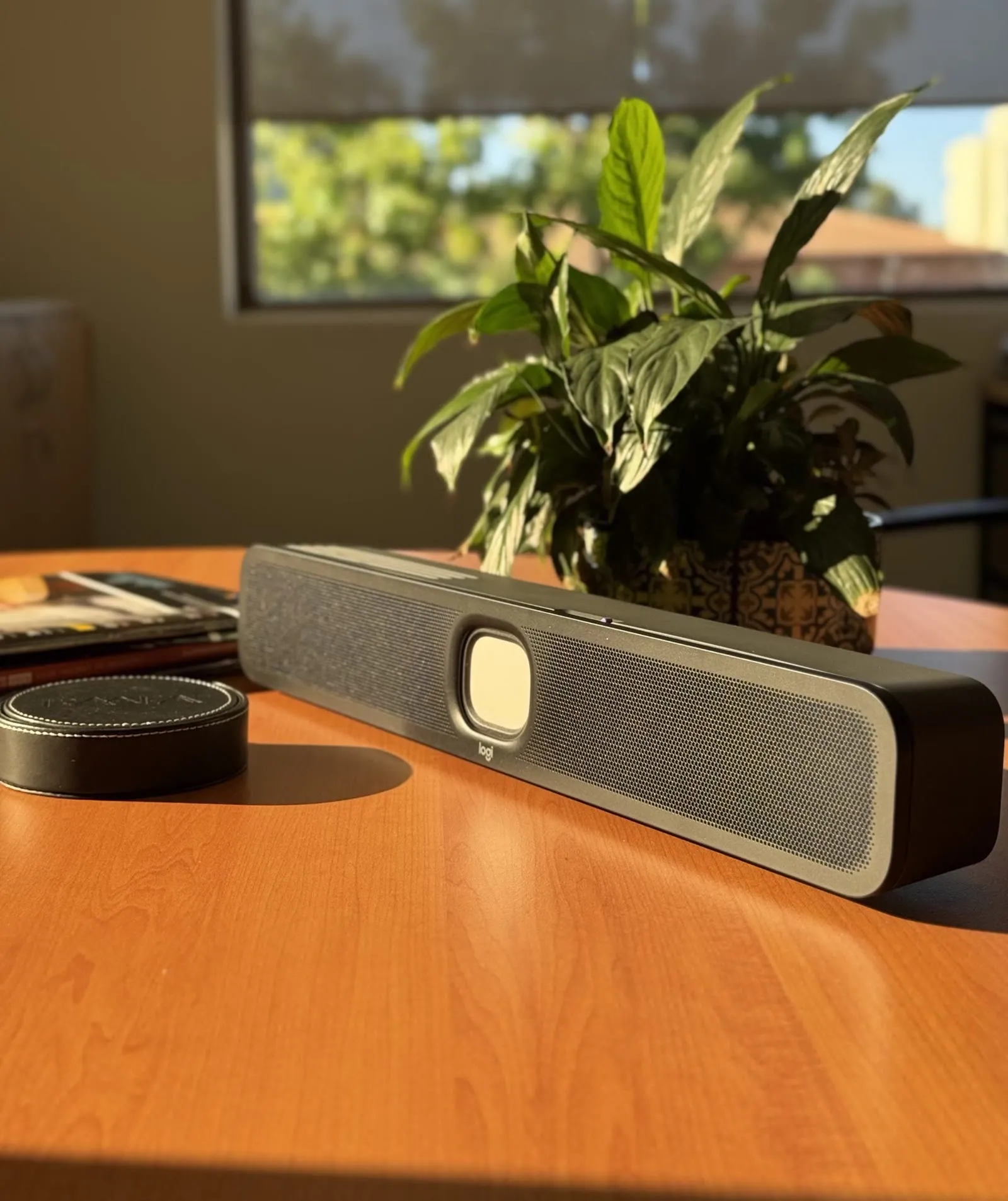
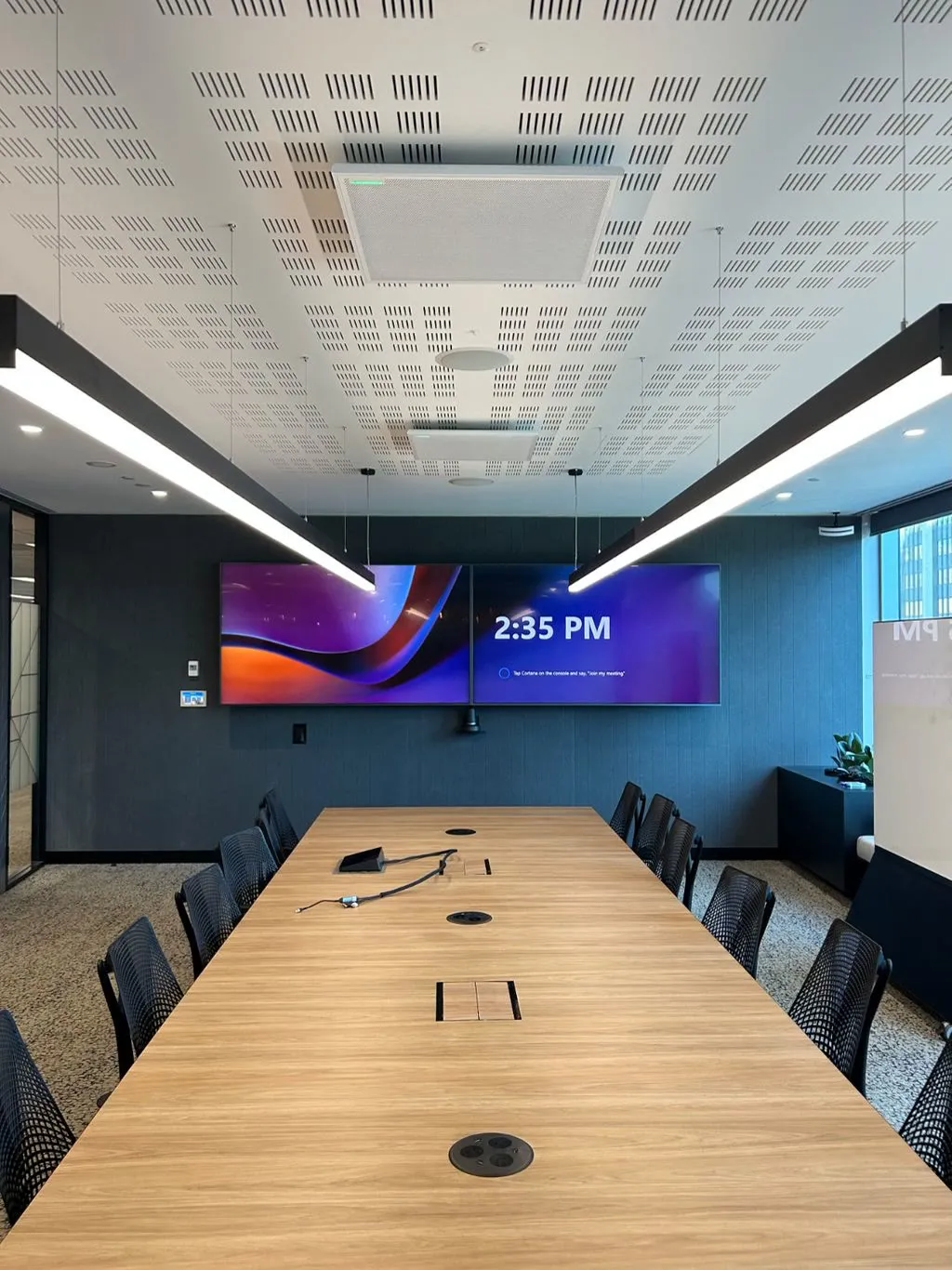
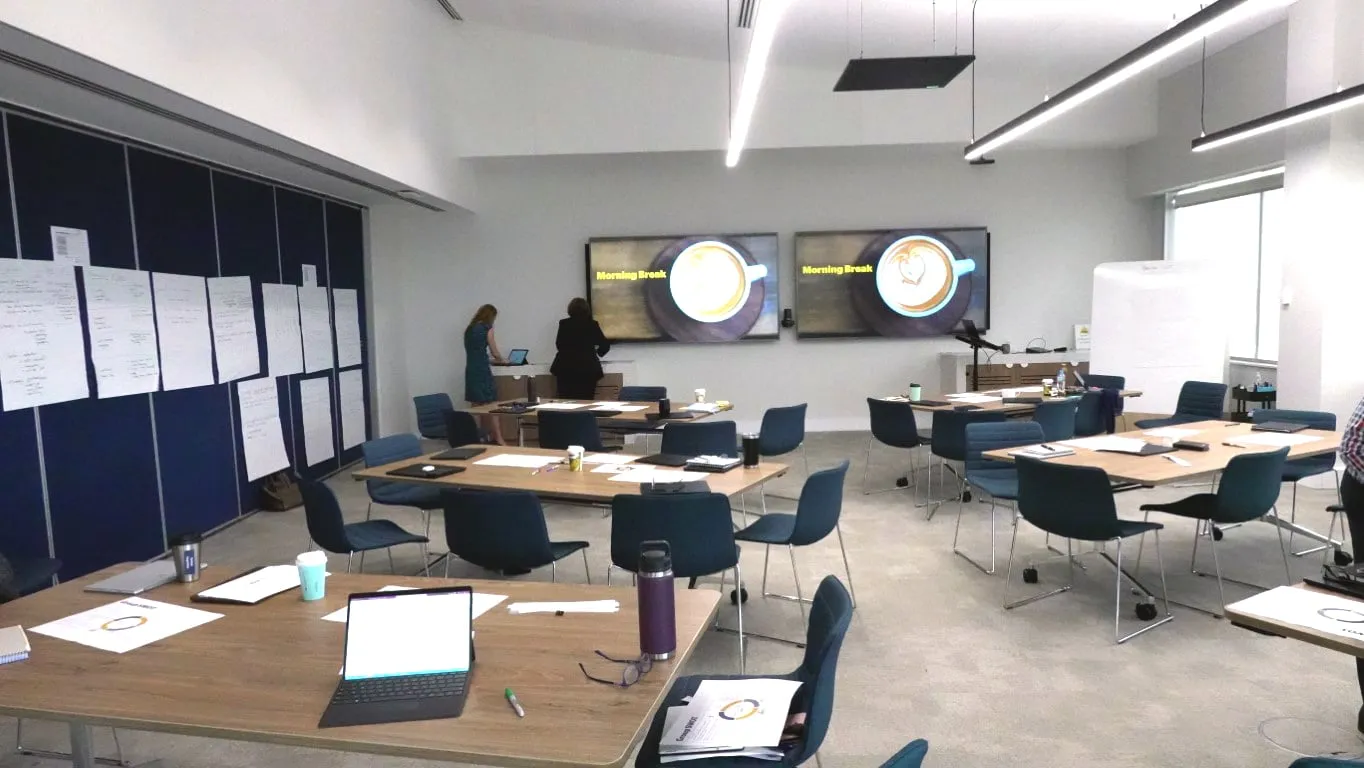
The whole room
One design. One schedule. One accountable partner.
Straight answers.
How is Focus Care priced?
By fleet and criticality: how many rooms, how complex, how expensive is downtime. Plans scale from a single boardroom to campuses — you'll get a clear annual figure and exactly what it buys. Any figure quoted before we've seen the fleet is indicative only.
Does Focus Care cover systems you didn't install?
Yes — after an onboarding audit that documents what's there and fixes the inherited landmines. Adopted fleets get the same commitments as our own installs.
What's a realistic response time?
Severity-based targets, agreed in your plan: critical rooms attract same-day attention; minor faults are scheduled sensibly. The point is you always know the commitment — and we publish our performance to you.
How long is a Focus Care agreement?
Twelve months is the standard term, reviewed annually against the lifecycle roadmap. There's no multi-year lock-in theatre — renewals happen because the rooms keep working, and plans are adjusted each year as rooms are added, retired or upgraded.
How is Focus Care different from the manufacturer's warranty?
A warranty repairs a failed device on the manufacturer's timeline; it doesn't stop the failure, drive to your site, retune the room or train your people. Focus Care manages the warranty claims for you and covers everything the warranty doesn't — prevention, response, the whole system working together, and a human who answers.
Does the plan include parts and hardware replacement?
Plans cover the labour, prevention, monitoring and response; failed hardware is repaired under warranty where it applies, and replacement parts are quoted transparently when it doesn't. For critical rooms we'll build a spares or loan-unit strategy into the plan so a failed part never means a dark room.
Does Focus Care cover sites outside Perth?
Yes — plans run WA-wide, from metro campuses to regional and remote sites. Distant fleets lean harder on monitoring and remote resolution, with site visits folded into scheduled runs rather than billed as one-off travel. If a site is designed to be supported from Perth, most weeks it never needs a visit at all.
Can we start small?
Most clients do — one plan on the rooms that hurt most, expanded once the difference is obvious. There's no lock-in theatre; the renewals happen because the rooms keep working.
Never chase a fault again. That's Focus Care.
Tell us about your rooms and what downtime costs — we'll shape the plan and the number.