AV Support
One call. It's handled.
Technology earns trust by working on the day it matters. Focus Care keeps every room, screen and system doing exactly that — with preventative maintenance, priority response and a Perth team that answers.
Who actually turns up
Support is people, not a portal.
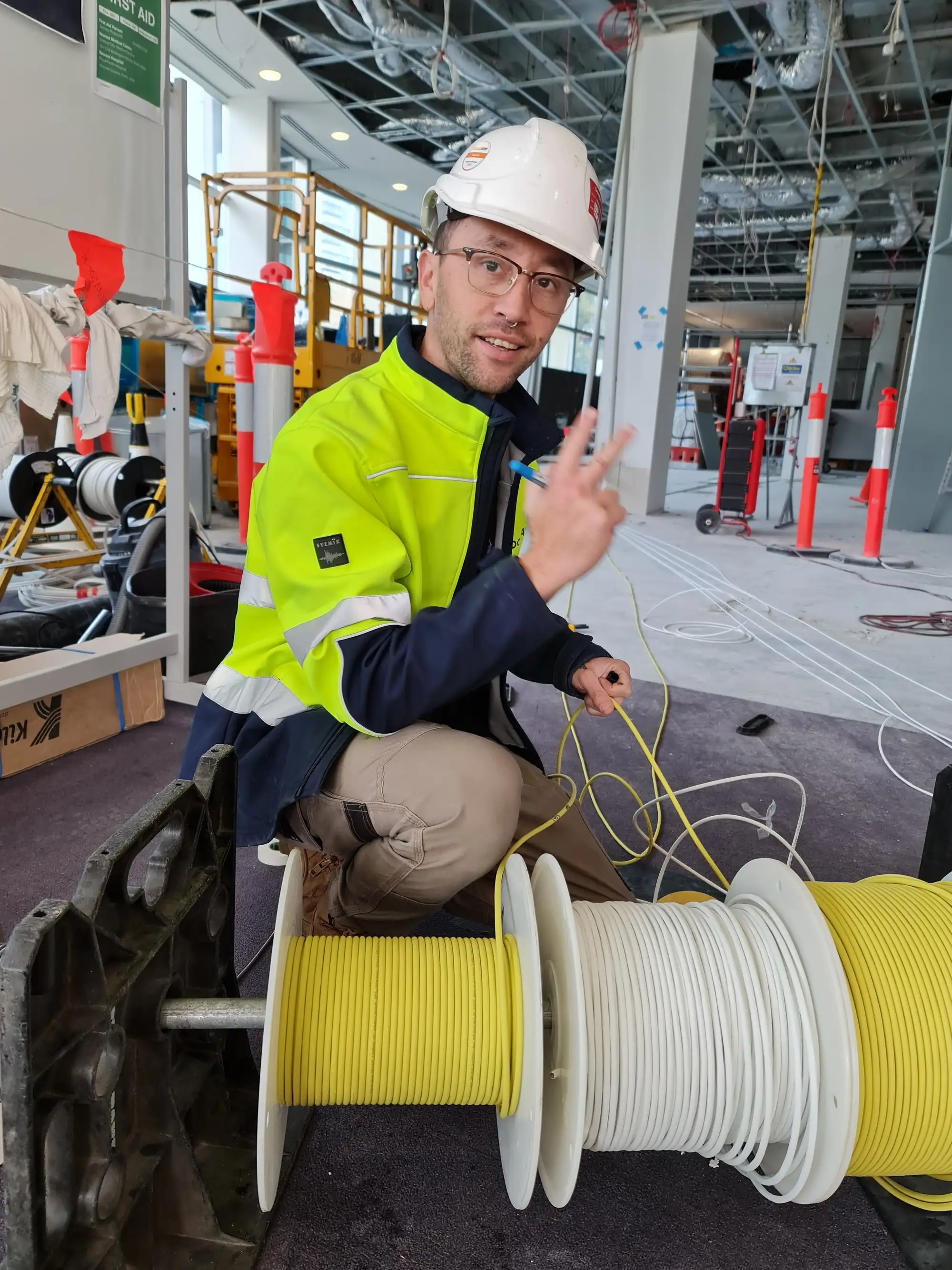
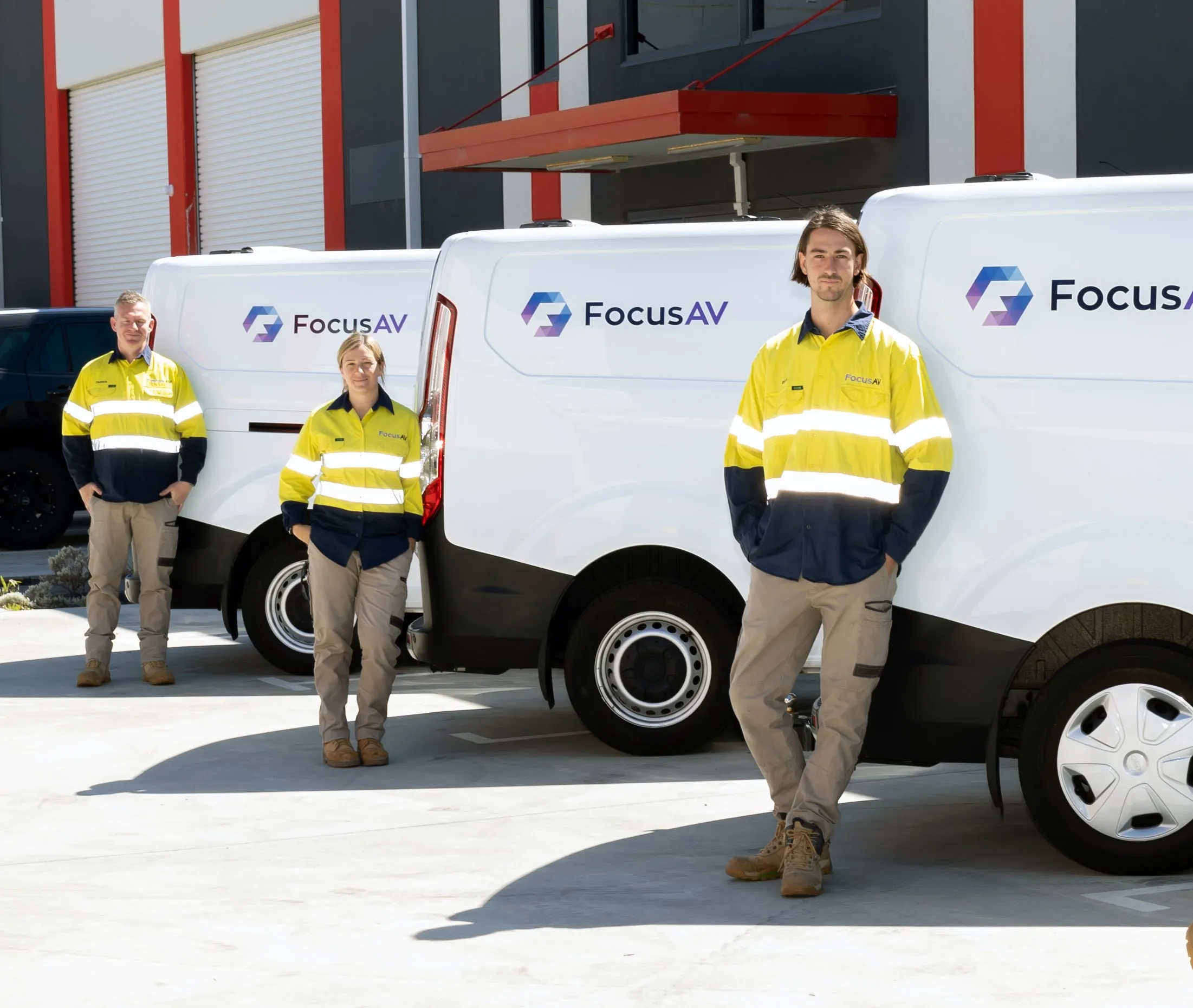
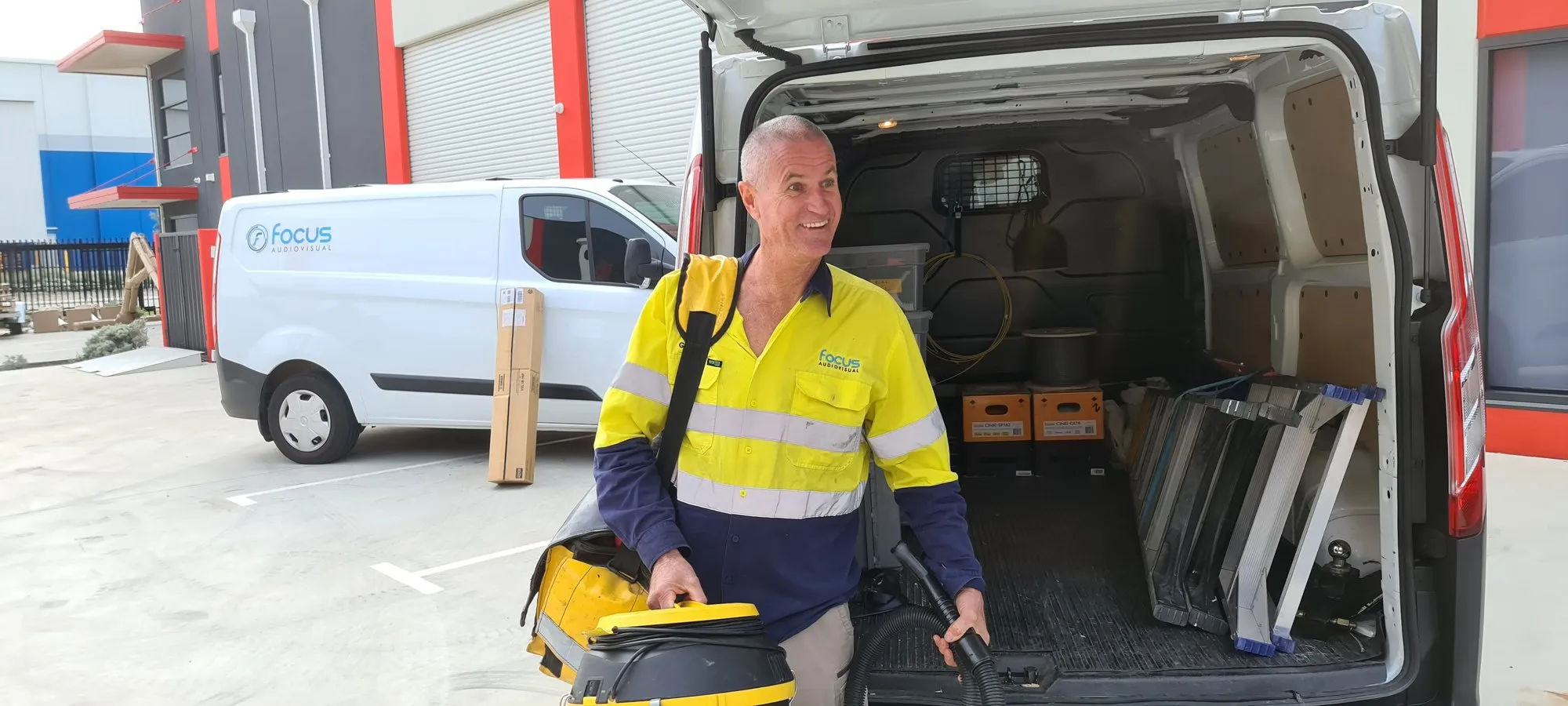
This is the team. Not a call centre, not a ticketing bot with a hold queue — the same Perth crew who design and install rooms are the people who answer when one misbehaves.
That matters because AV faults are rarely mysterious to the people who built the system: the technician who terminated the rack knows exactly which cable to check, and the engineer who tuned the room can hear what's wrong down the phone.
Support covers everything we install — and plenty we didn't. Rooms built by others, orphaned by integrators who've moved on, get adopted here every month.
Anatomy of good support
Why our fixes stay fixed.
Auto-cycles every two seconds. Tap a part to jump to it.
 The whole room
 The support gap
Installed and abandoned.
The AV industry's dirty secret: plenty of integrators are brilliant at installing and invisible afterwards. The room works at handover, degrades quietly for two years, and dies five minutes before the board meeting — at which point you discover 'support' meant a voicemail box.
We built Focus Care to be the opposite: scheduled preventative visits that catch failures before they happen, monitoring where it makes sense, spares strategy for the parts that matter, and response targets we actually publish to our clients.
And we support systems we didn't install. Orphaned rooms are some of our favourite rescues — we'll assess what's there, get it stable, and tell you honestly what deserves to stay.
The scope
What commercial AV support actually covers.
Commercial AV support covers five jobs: fixing faults when rooms fail, preventing those faults through scheduled maintenance, keeping firmware and monitoring current, training the people who use the rooms, and holding the right spares so repairs don't wait on freight. Most support contracts only do the first one — which is why most AV still breaks.
Fault response & repair
A room is down and someone needs it back. Triage by business impact, remote diagnosis first, then a technician with the right part — not a second visit to 'assess'. Documented systems get diagnosed in minutes, which is why we document everything.
Preventative maintenance
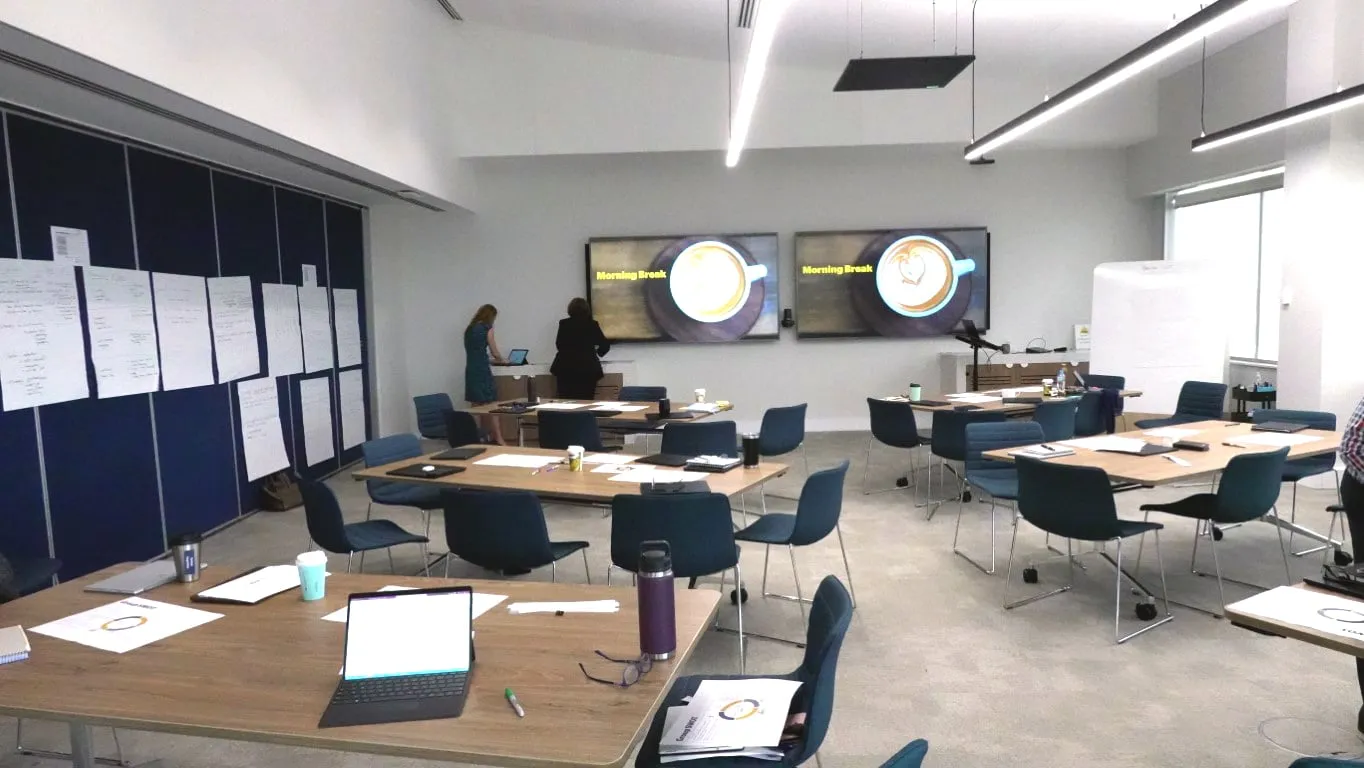
Scheduled room health checks: test calls, image and audio verification, camera alignment, battery and filter swaps, and the small drifts corrected before anyone notices them. The cheapest faults are the ones that never happen.
Firmware & monitoring
Teams Rooms, video bars and displays update constantly — unmanaged, those updates are where rooms quietly break. We run controlled firmware windows, and monitoring flags a device that drops offline before reception does.
Training & adoption
Handover sessions, new-starter inductions and refreshers. Rooms fail less when people drive them confidently — and half of what gets reported as a fault is really a training gap we can close in twenty minutes.
Spares & loan stock
A spares strategy for the parts with long lead times, and loan units for rooms that can't wait on a repair. A boardroom shouldn't sit dark for six weeks because one device is on a ship.
Lifecycle & budget advice
A plain-English annual view of what's ageing, what's healthy and what to budget for — so replacement is a planned line item, never a surprise capital request after a failure.
Sound familiar?
The faults we get called for most.
Most AV faults present as one of a handful of symptoms, and most have a predictable cause. Here's the honest short version of what's usually wrong — before anyone tries to sell you a new room.
“The Teams Room won't join meetings.”
Usually the room's calendar account or a stalled update rather than the hardware — the console loses trust with Microsoft 365 and sits there looking healthy. A remote sign-in and update check resolves many of these within the hour.
“The display says no signal.”
Nine times out of ten the screen is fine and something upstream isn't — a switcher input, an extender or a source that's gone to sleep. We trace the signal chain in order instead of guessing at the most expensive component.
“Everyone can hear an echo.”
Echo is almost always the far end hearing themselves: a microphone picking up the room's speakers because echo cancellation is mis-set or levels were changed. Retuning the audio processing fixes it — new speakers rarely do.
“The touch panel is frozen.”
Control processors run for months on end and occasionally wedge, exactly like any computer. A managed restart brings the room back; if it recurs weekly, the control program or the power supply needs proper attention.
“The screen in the lobby is dead.”
Commercial displays run long hours, and power supplies and backlights are the first things to go. If it's under warranty we run the claim for you; if not, we'll tell you honestly whether repair beats replacement.
“Wireless presentation stopped working.”
Almost always a network or certificate change since installation — the sharing device didn't move, the network around it did. We work with your IT team to reconcile the two, and document the settings this time.
“The camera picture looks wrong.”
Auto-framing gone strange, a preset overwritten, or a lens that's been bumped. Usually minutes of reconfiguration — then we lock the presets so the fix survives the next office rearrangement.
“Calls keep dropping mid-meeting.”
Intermittent faults are the expensive ones to ignore and the wrong ones to fix by swapping parts. We log, monitor and reproduce the fault before replacing anything — evidence first, invoices second.
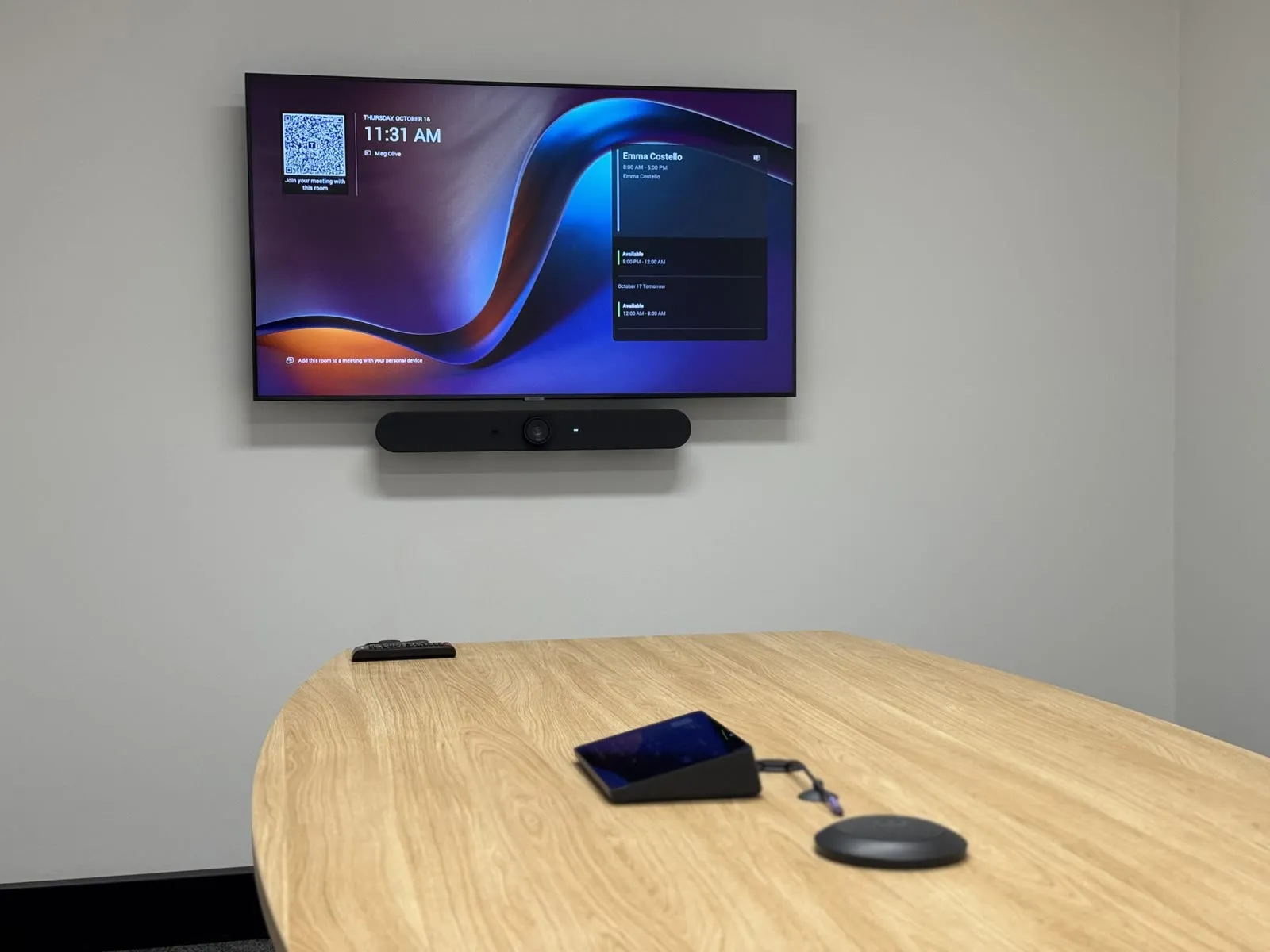
If the symptom you're staring at isn't listed, describe it anyway — that's genuinely all we need to start. Begin at our support hub or call, and a technician (not a phone tree) will take it from there.
Adopted systems
We support systems other companies installed.
Yes, really — Focus AV takes over AV systems installed by other integrators. A takeover assessment documents what's there, stabilises the urgent faults, and gives you a straight answer on what's worth keeping. No lectures about the previous installer, and no pressure to rebuild anything that's working.
Audit
Every room catalogued: makes, models, firmware versions, warranty status, and the undocumented surprises. You get an honest register of what you actually own.
Stabilise
The faults that hurt get fixed first. Anything unsupportable or end-of-life is flagged in writing with options — not quietly patched to fail again next month.
Document
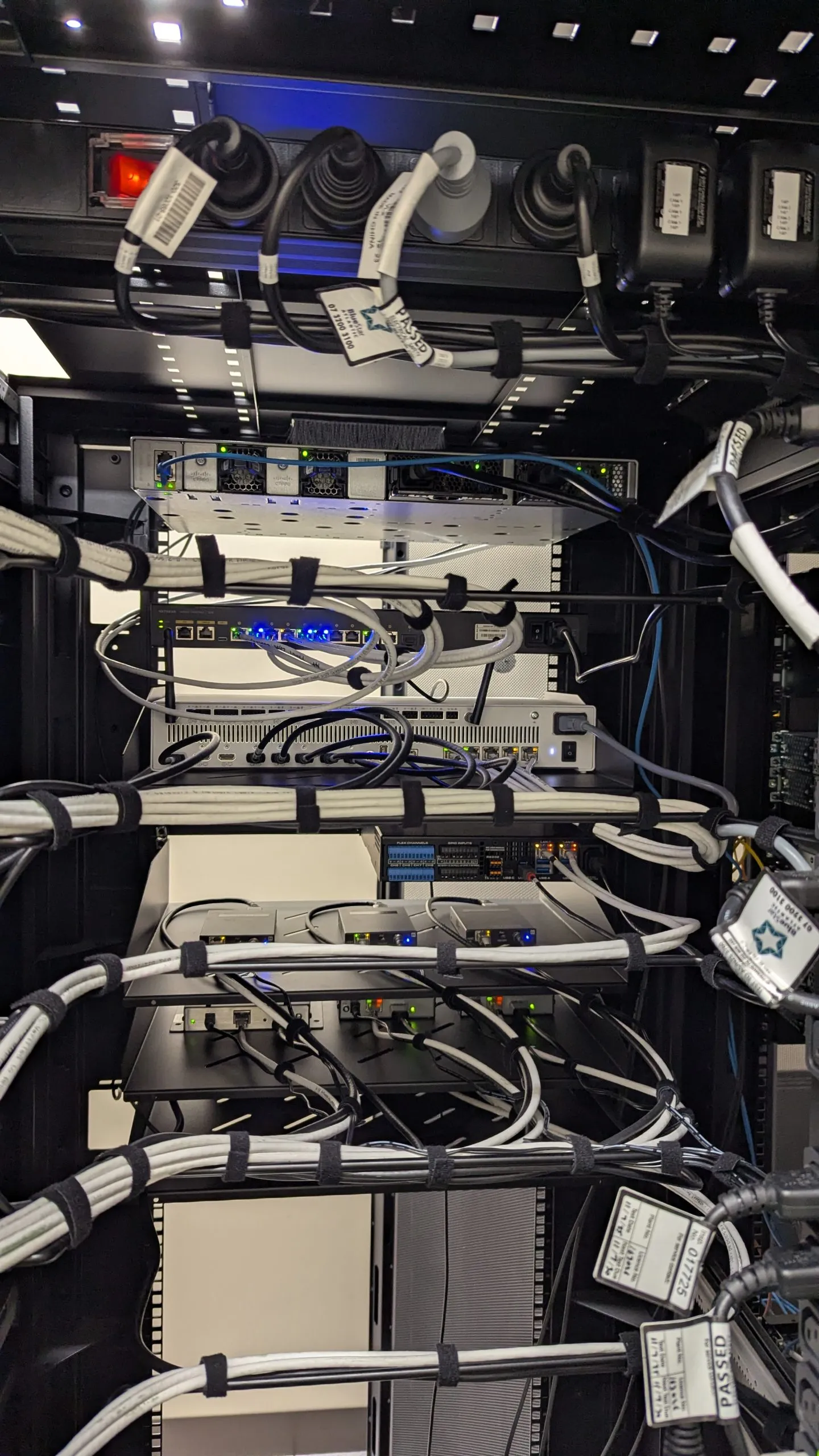
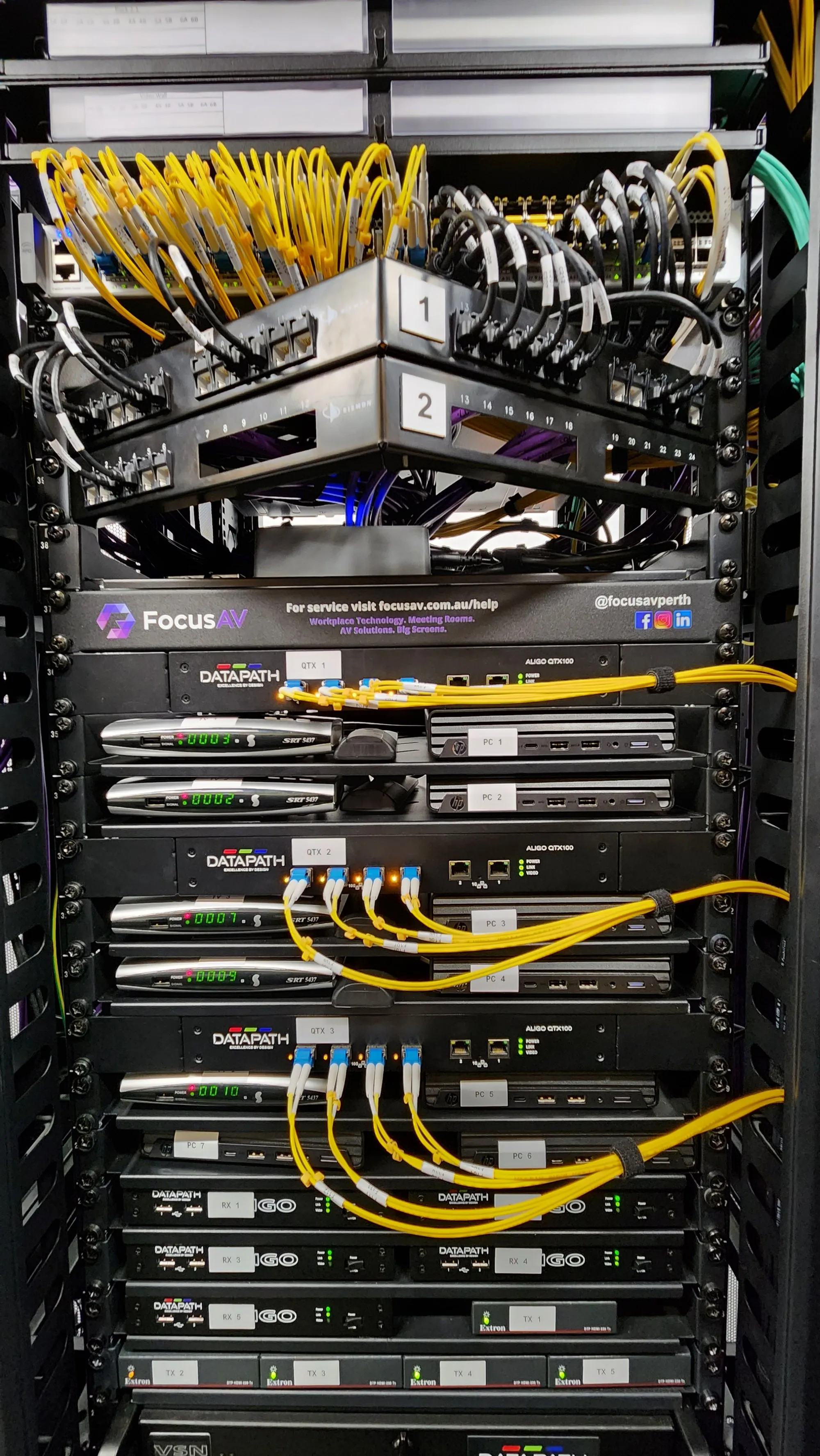
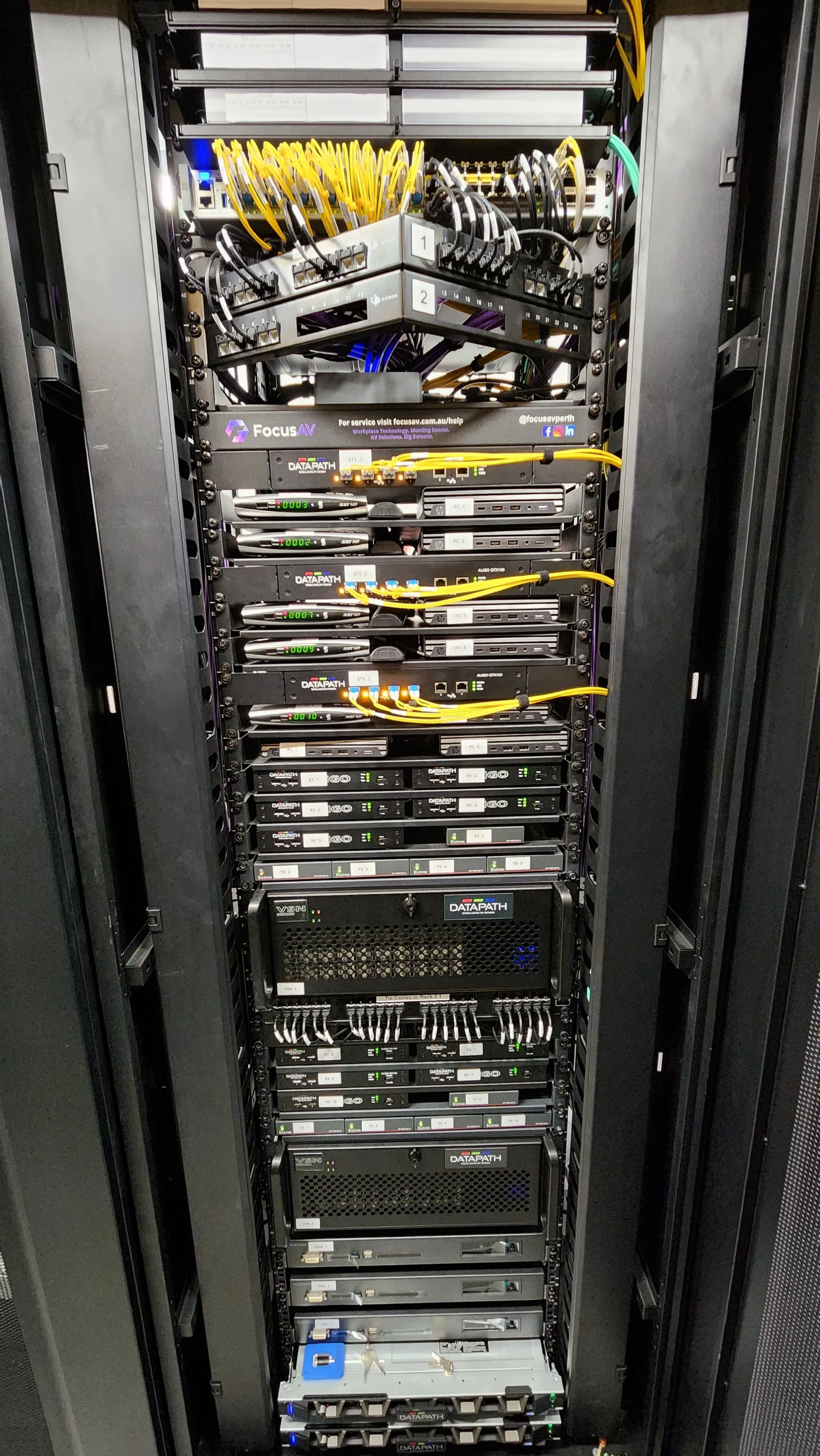
Labelled racks, as-built records and a plain-English guide per room. The archaeology gets done once, properly, so every future fix starts from knowledge.
Support
From then on the fleet is supported like our own work: same response targets, same accountability, one number to call. Most adopted fleets join a Focus Care plan.
Orphaned rooms are more common than anyone admits: integrators close, contracts lapse, the one person who understood the system resigns. Adoption is a normal Tuesday for us — and adopted fleets get the same commitments as rooms we built ourselves.
Three words we don't say:
"Not our gear."
Whoever installed it, whatever the brand on the faceplate, however creative the previous cabling — if it's in your rack, it's our problem the moment you call. That's what commercial AV support means.

Response, honestly
What same-business-day actually means.
It means a technician triages your fault the day you report it — usually within the hour, by phone or remote session — and site attendance is scheduled by business impact, with most Perth metro call-outs attended same or next business day. We'd rather publish real targets than promise everyone the world.
Triage first, travel second
A technician who understands AV systems asks the right three questions before anyone drives anywhere. A meaningful share of faults — sign-outs, stalled updates, mis-set inputs — resolve in that first remote session.
Severity, not squeaky wheels
A boardroom down two hours before an AGM outranks a flickering foyer screen, and we'll say so to both callers. Honest triage means the urgent gets urgency and the minor gets a sensible booking.
Perth metro
Same-business-day triage on every fault, with most metro site attendances landing same or next business day. Focus Care clients hold priority positions in the queue with targets agreed in their plan.
WA-wide
Regional and remote sites run on a different playbook: systems designed for remote diagnosis, guided local hands where that's faster, and scheduled or fly-in visits for the rest — planned, not panicked.
Two ways to engage
Call when it breaks, or plan for it not to.
Ad-hoc support gets you a competent fix at hourly rates when something fails. A Focus Care plan gets you priority response, scheduled prevention and a known annual number. Both are legitimate — the right one depends on how much your rooms matter.
| Ad-hoc support | Focus Care plan | |
|---|---|---|
| Response | Same-business-day triage, best-effort scheduling | Priority queue with agreed targets by severity |
| Preventative maintenance | Not included — you call when it breaks | Scheduled visits across the year, per room |
| Monitoring | None | Included where the fleet justifies it |
| Labour rates | Standard hourly, quoted per job | Discounted labour inside a known annual figure |
| Budgeting | Unpredictable — costs arrive with the failures | One agreed number, no surprises |
| Best for | A single simple room where downtime is cheap | Fleets of rooms, or any room the business depends on |
If you own more than a couple of rooms — or one room the executive team depends on — the plan pays for itself in prevented failures alone. See exactly what's inside on the Focus Care support plan page, including how pricing scales and who genuinely doesn't need one.
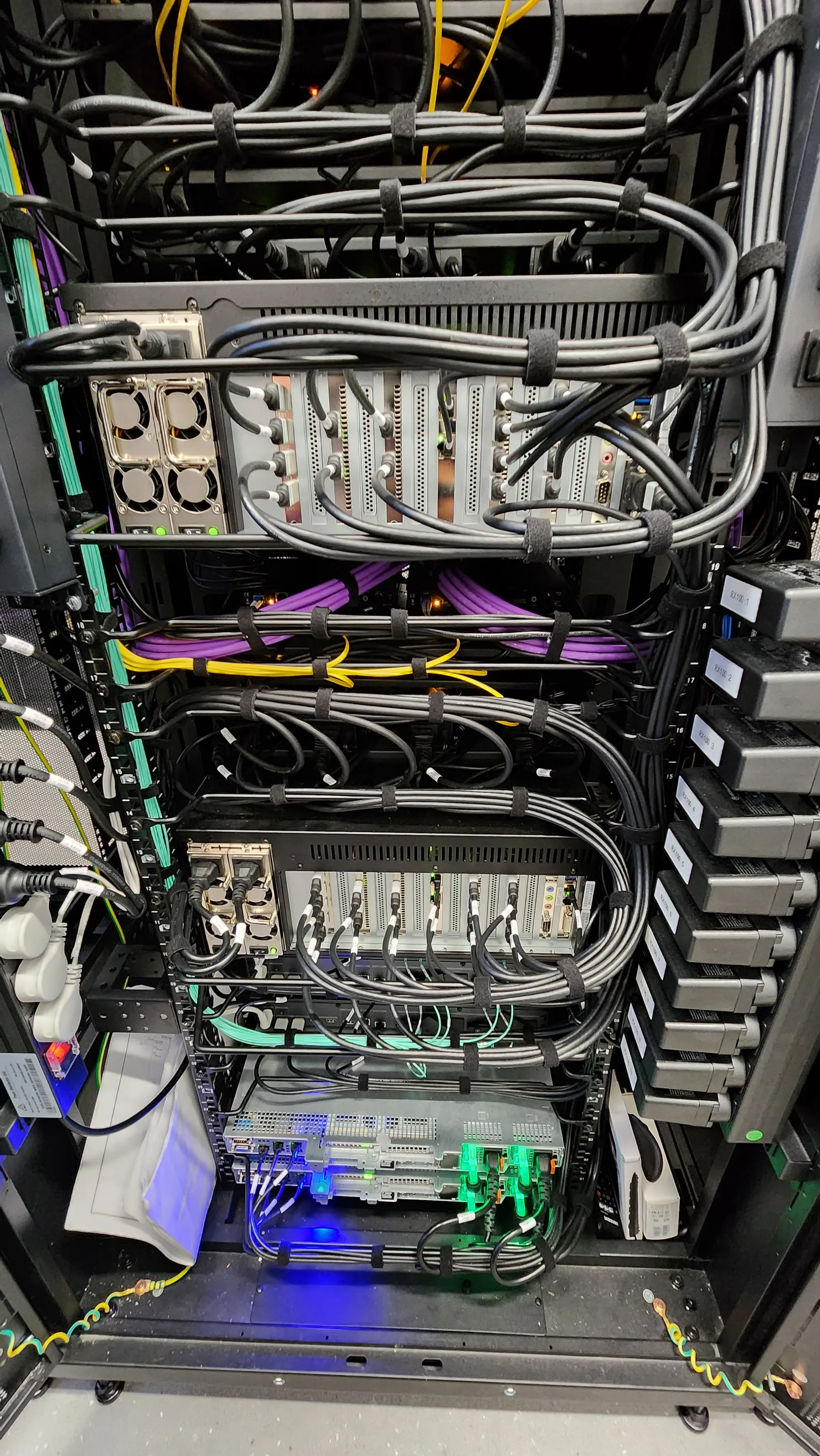
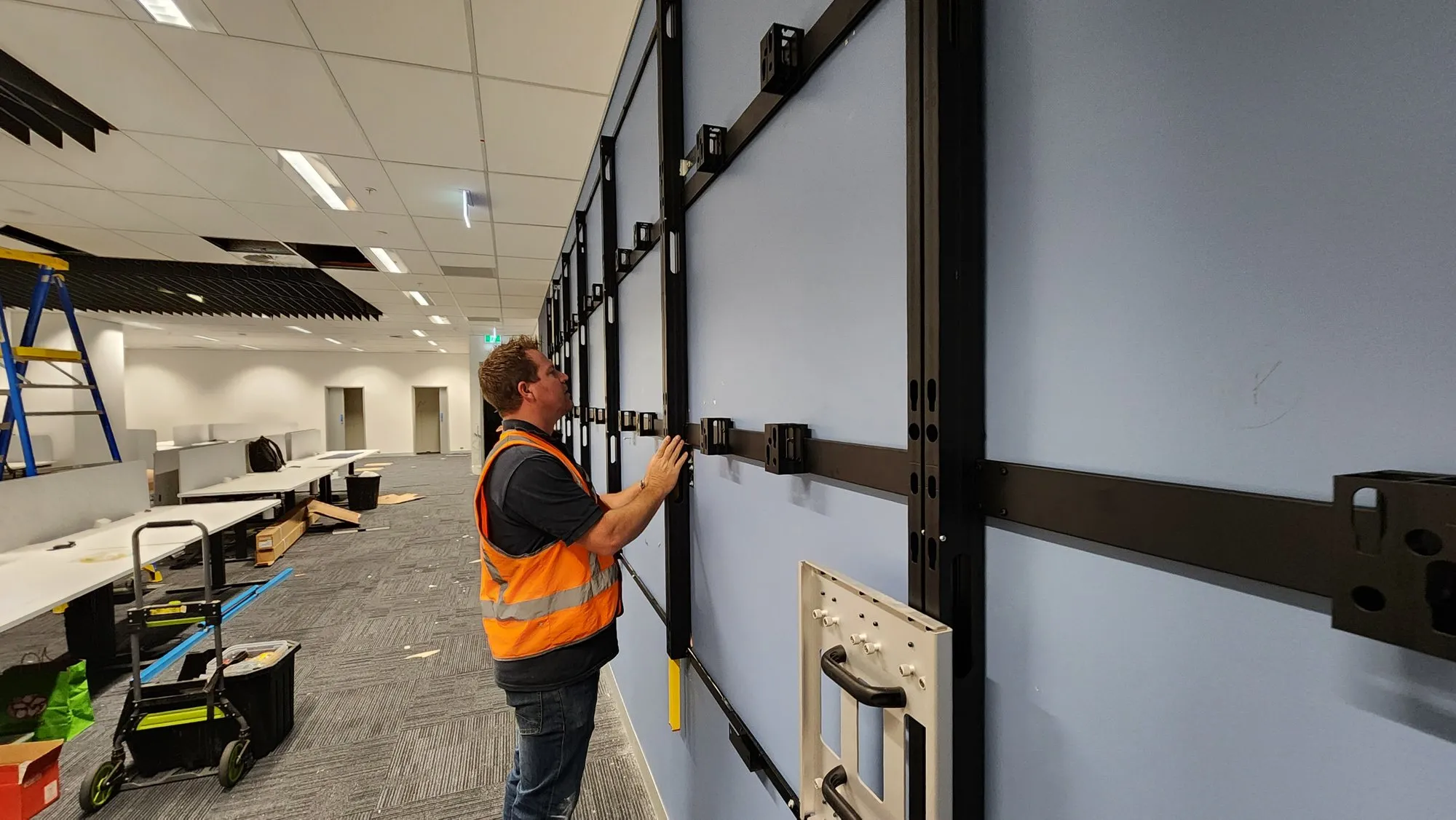
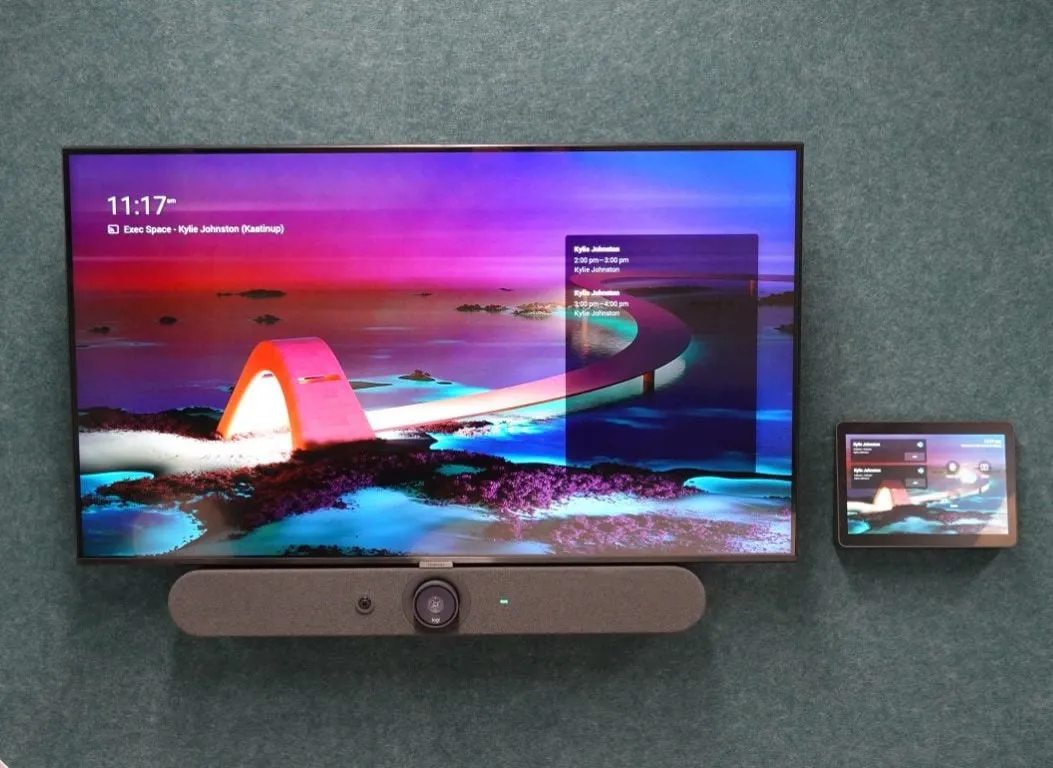
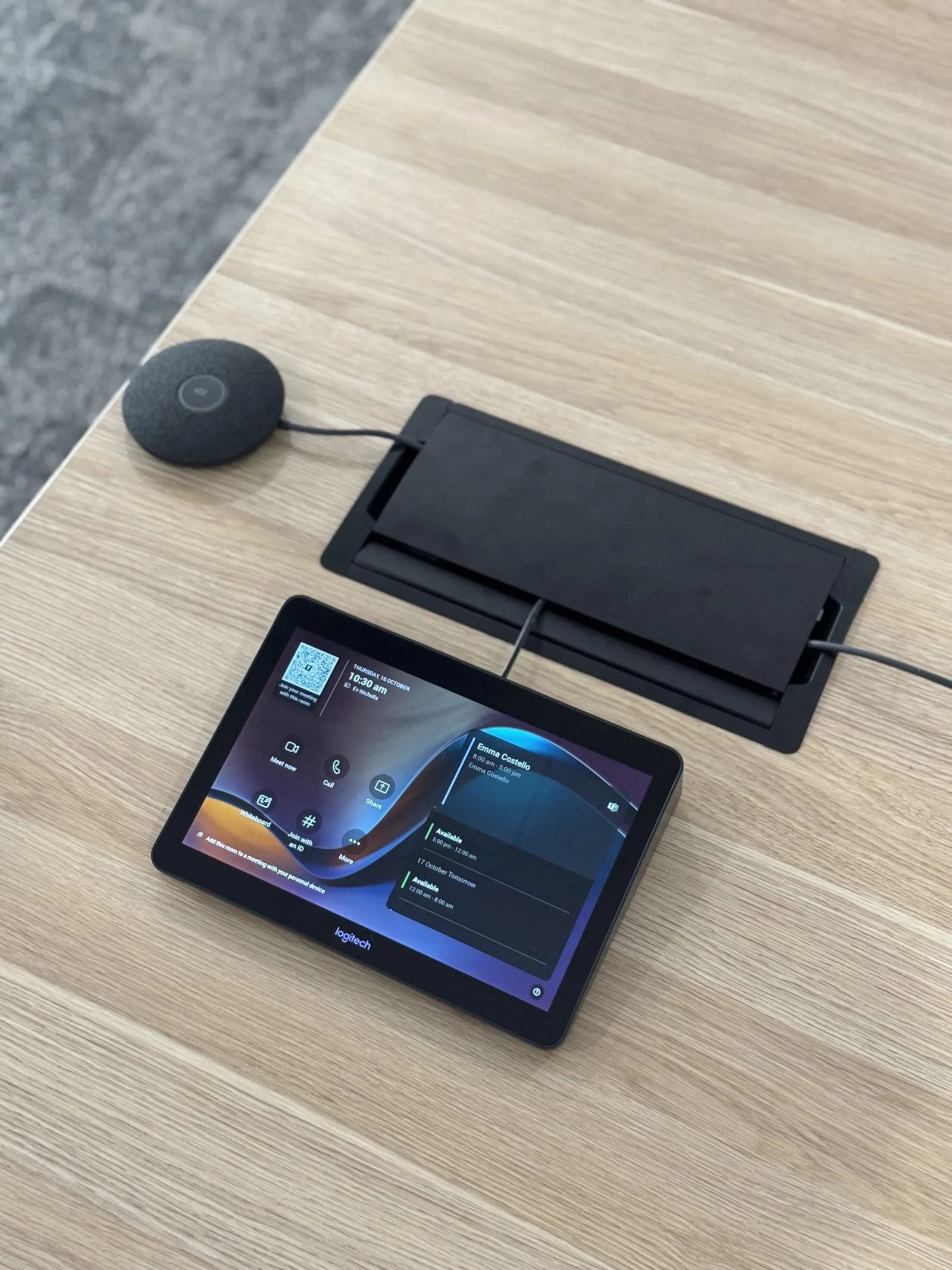
From the field The work behind the wall plate.
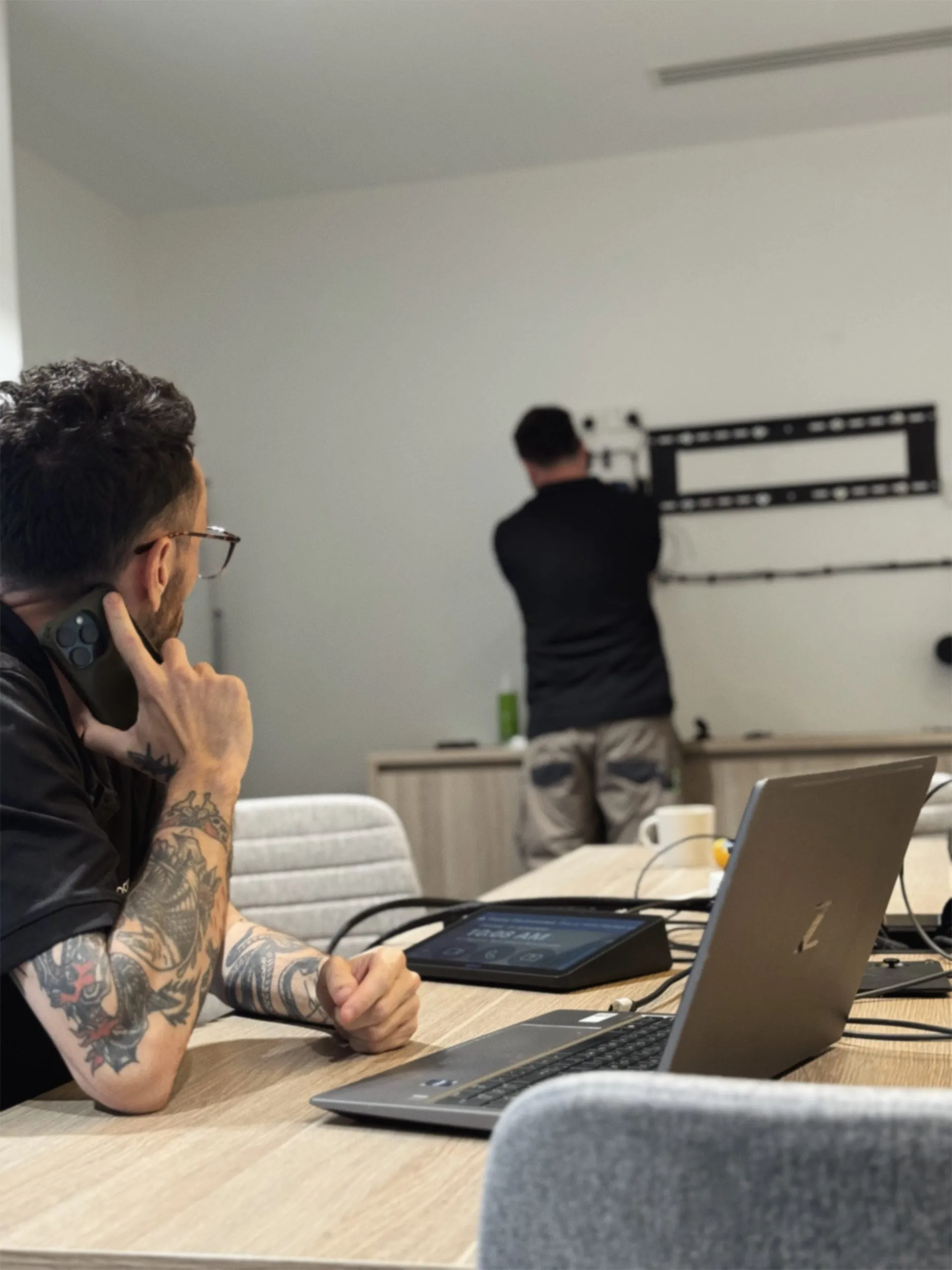
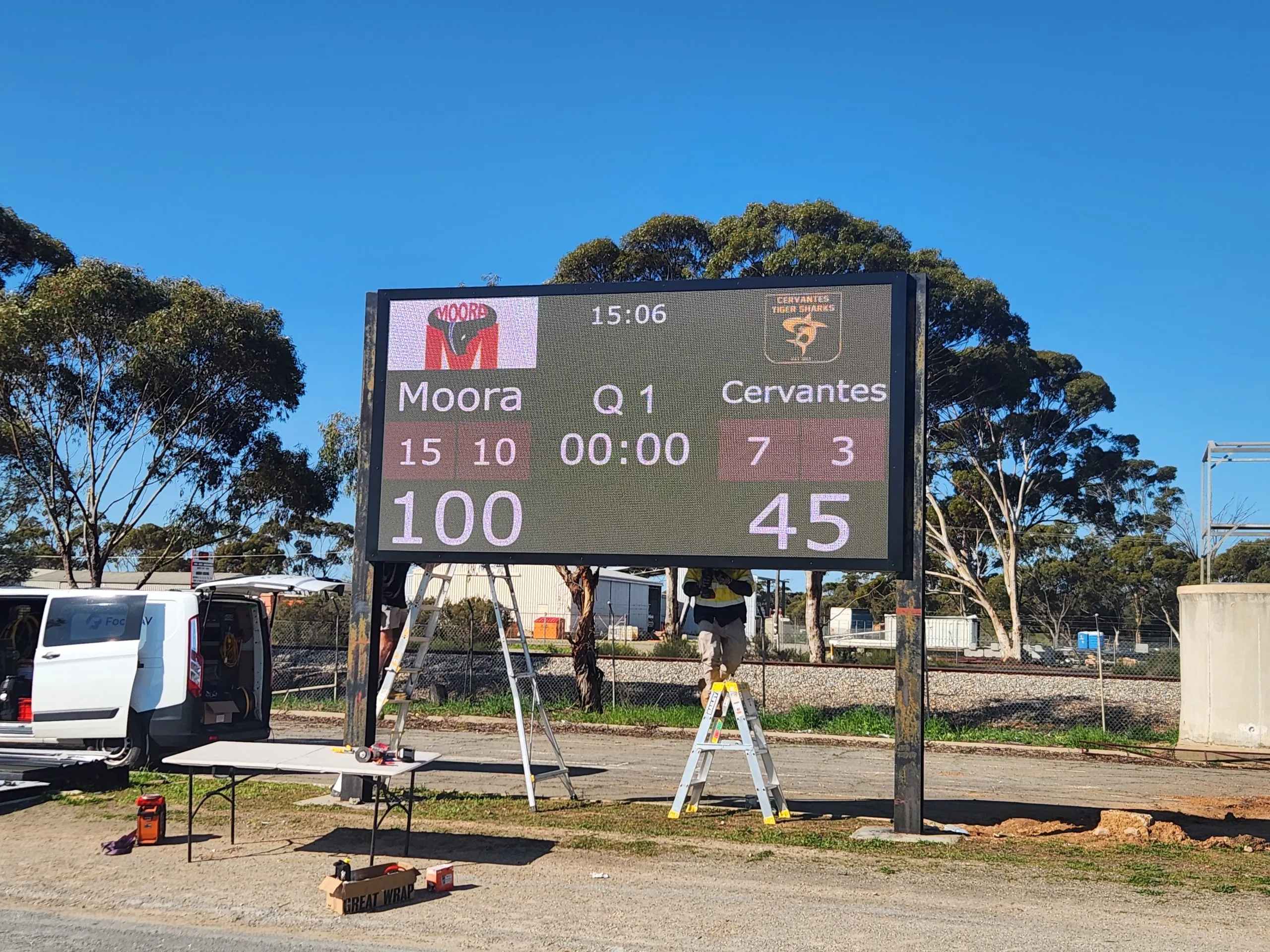
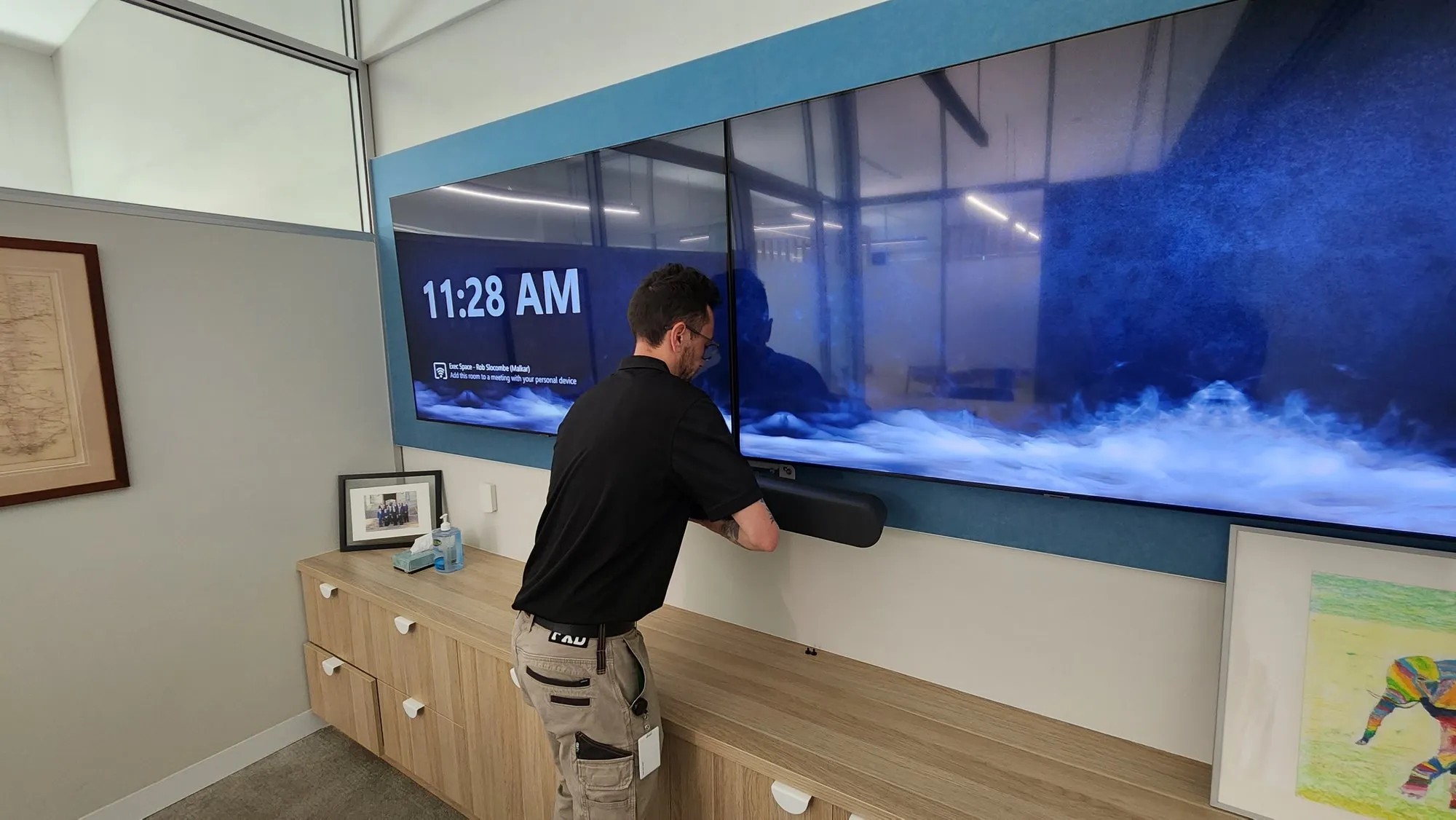
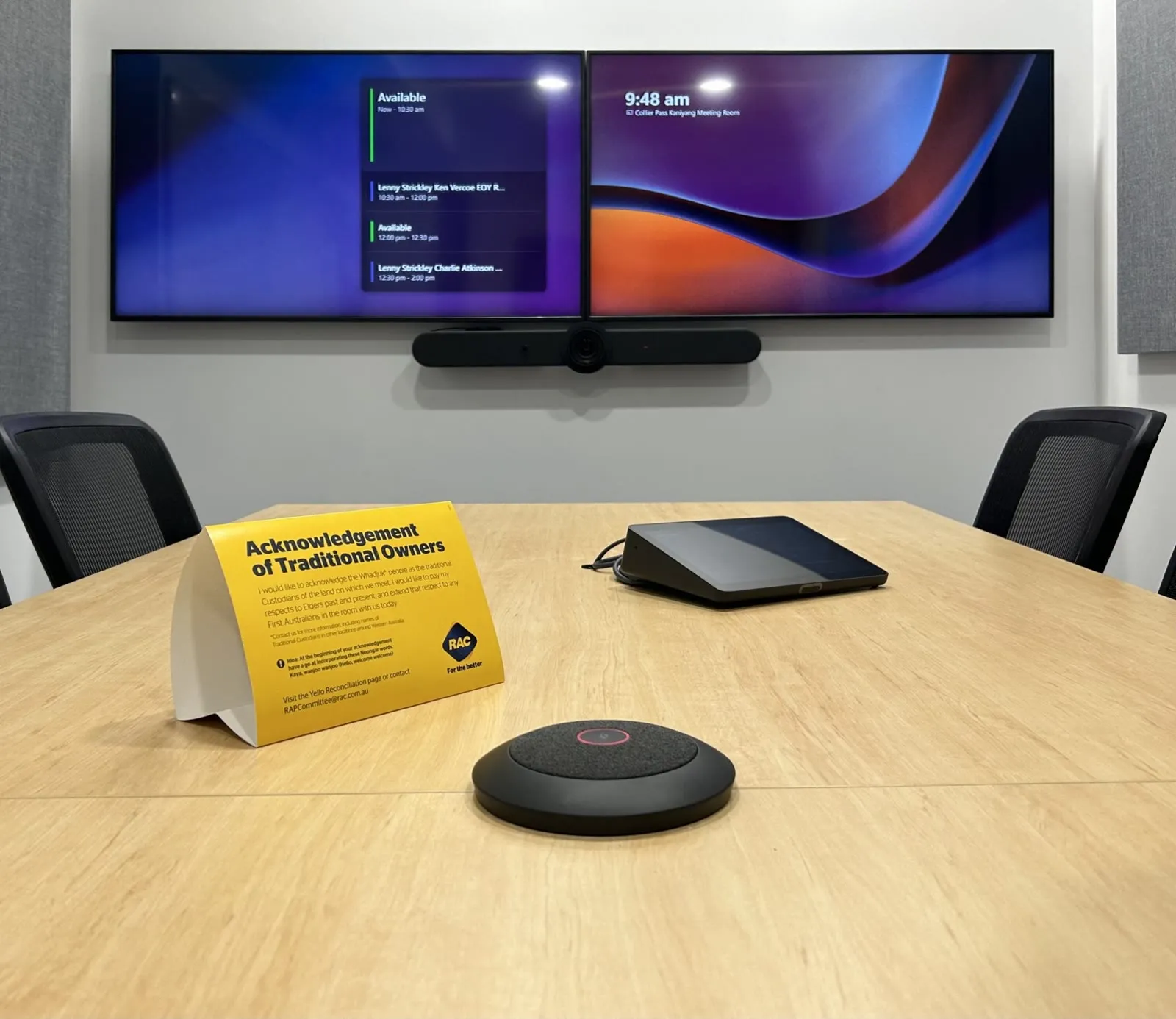
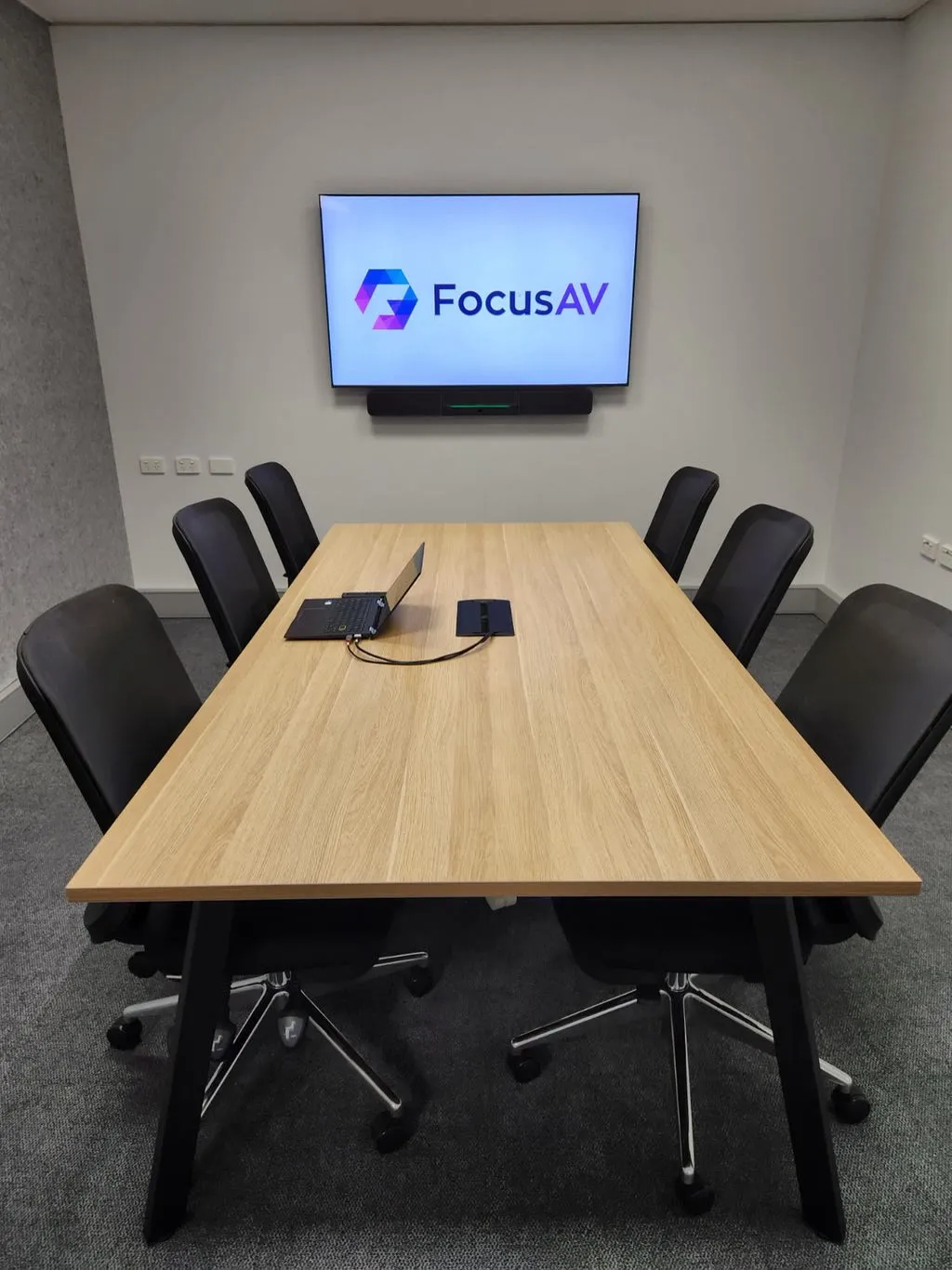
What support actually looks like: our people, our racks, our labelling.
Supported across WA.
What we deliver
Support with a spine.
Focus Care plans
Tiered support agreements: preventative maintenance visits, priority response targets and one number for every room you own.
Preventative maintenance
Firmware, filters, lamps, batteries, test calls and picture checks — the boring work that prevents exciting failures.
Rapid response & repairs
Perth-based technicians, sensible triage by business impact, and loan equipment options for rooms that can't wait.
Adopted systems
We take over rooms installed by others — full audit, documentation rebuild, then support as if they were ours.
Training & refreshers
New starters, new features, forgotten habits — short sessions that keep technology used, not avoided.
Lifecycle & budget planning
A straight-talking roadmap of what's ageing, what's fine, and what to budget for next year — no surprise obsolescence.
The promise
If it has our name on it, it's our problem.
Focus Care clients don't chase vendors, warranties or subcontractors. They call us — and it's handled.
Proof
Delivered. Documented.
The whole room
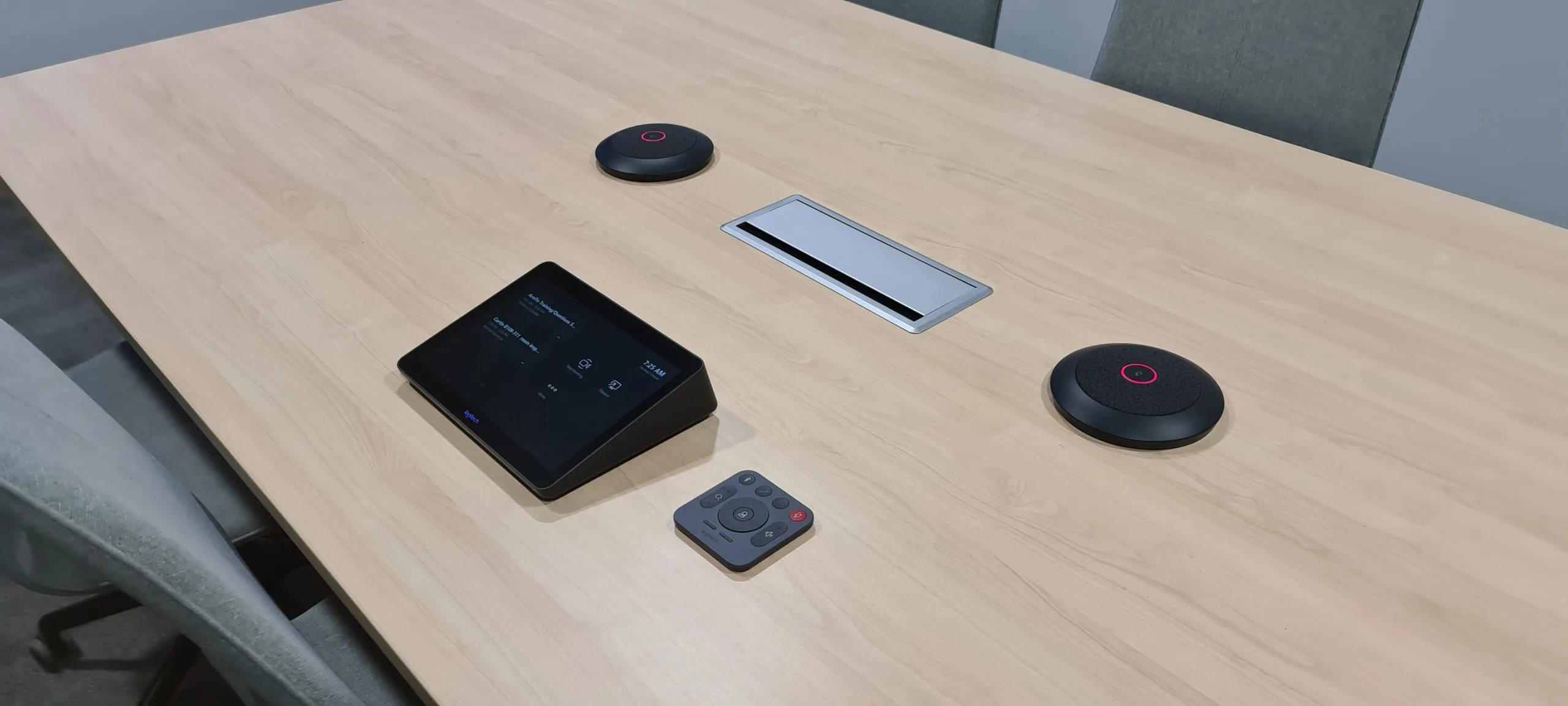
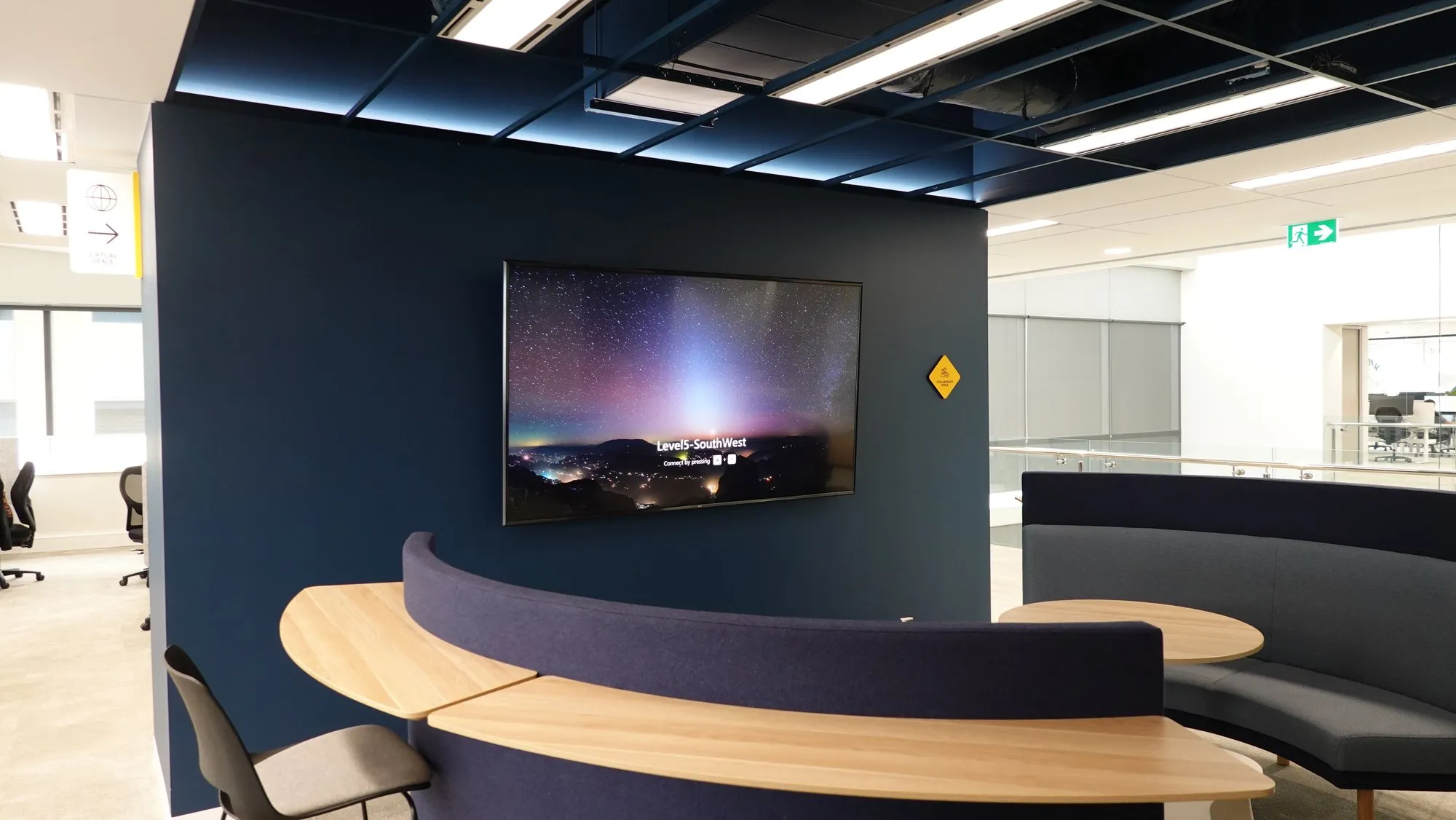
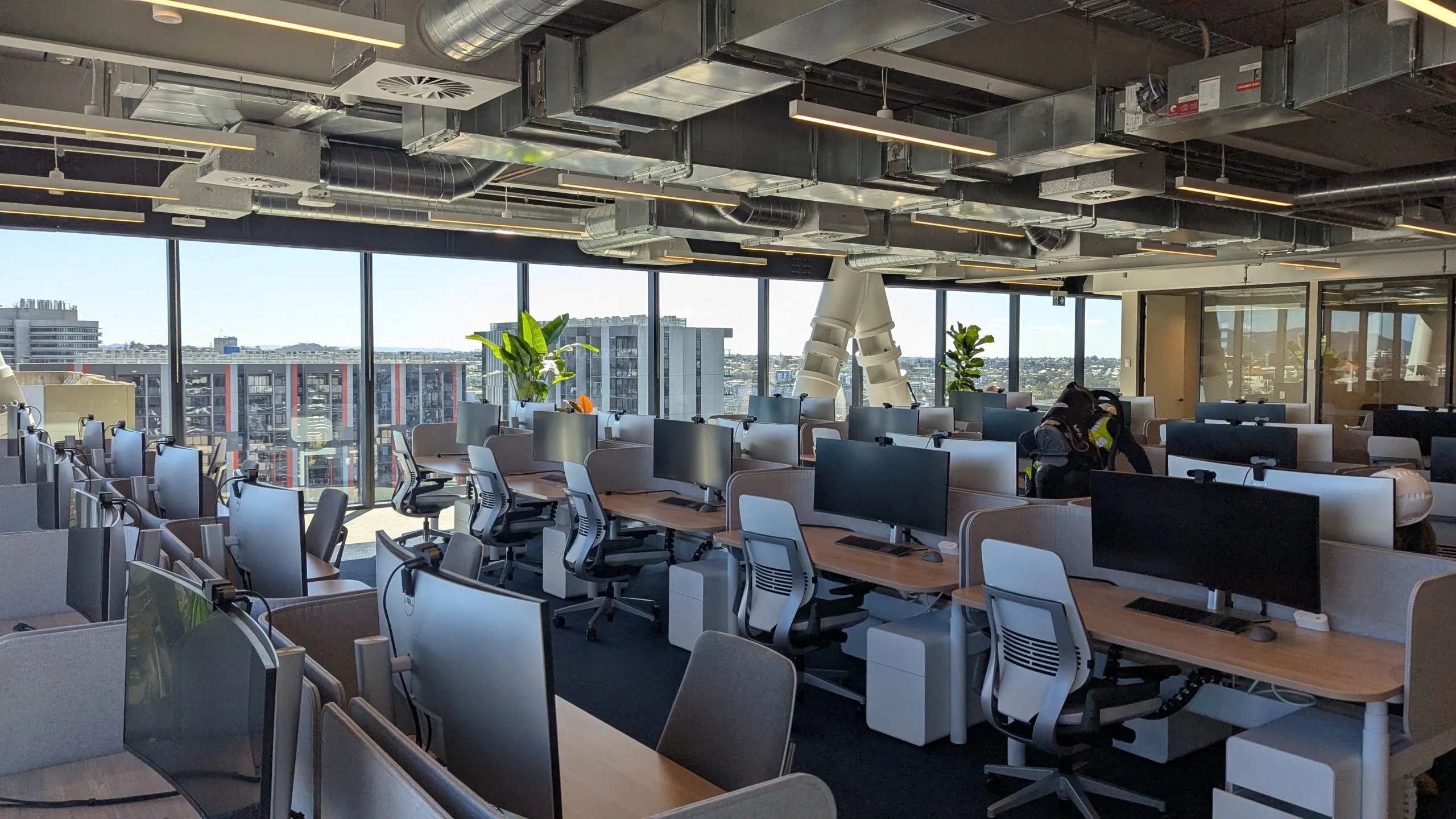
One design. One schedule. One accountable partner.
Straight answers.
What's included in a Focus Care plan?
Scheduled preventative maintenance, priority response targets, telephone and remote support, and discounted labour on repairs — scaled to how many rooms and how critical they are. We'll shape a plan around your fleet, from one boardroom to a whole campus.
Do you support AV systems you didn't install?
Yes. We audit it, document it, stabilise it and support it. If something is genuinely beyond saving we'll say so — with the numbers to justify replacement, not a sales pitch.
How fast can someone attend a site in Perth?
Triage starts the day you call — usually within the hour by phone or remote session, which resolves a good share of faults on the spot. When a visit is needed, most Perth metro call-outs are attended same or next business day, and Focus Care clients get defined response targets by severity — a boardroom down before an AGM is not the same as a flickering foyer screen.
Do you service regional and remote WA sites?
Yes — we support sites across Western Australia, from the South West to the Pilbara. Regional systems are designed to be diagnosed from Perth first, with remote resolution where the system allows, guided local hands where sensible, and scheduled or fly-in site visits for the rest. Remote support is planned into the design, not improvised after it.
What does an AV service call cost in Perth?
Ad-hoc work is charged at standard hourly rates plus parts, with the first remote triage telling you what you're up for before anyone travels. Focus Care clients get discounted labour inside an agreed annual figure. Any numbers we give before diagnosis are indicative only — we quote properly once we know the fault.
Is preventative maintenance really worth it?
One prevented failure typically pays for the year's visits — and that's before counting the meeting that didn't get cancelled. Preventative care is why our long-term clients' rooms feel permanently new.
Rooms that always work. That's the whole pitch.
Tell us how many rooms you own and how much downtime costs you — we'll shape a Focus Care plan to match.